U.S. Expands Naval Blockade to Curb Iran‑Bound Arms Shipments
The United States announced on Monday that it is widening its maritime interdiction effort to seize vessels suspected of ferrying weapons and ammunition to Iran. The new directive, issued by the U.S. Southern Command, adds contraband munitions and weaponry to the list of prohibited cargoes, signaling a decisive escalation in the long‑standing rivalry between Washington and Tehran. By targeting commercial and private ships that may be part of a shadow logistics network, the blockade aims to choke the flow of arms that could fuel regional conflicts.
Why the Blockade Matters for Global Trade
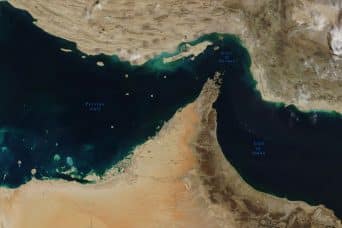
Shipping lanes that skirt the Persian Gulf and the Strait of Hormuz already handle more than 20 % of the world’s oil supply, according to the International Energy Agency. Adding a stricter enforcement regime could reroute cargoes, increase freight costs, and create bottlenecks for unrelated goods. A recent analysis by the Center for Strategic and International Studies estimates that a 10 % slowdown in traffic could raise global shipping rates by up to $150 per container, pressuring manufacturers and consumers alike.
Geopolitical Ripples: Tensions and Diplomacy
How will Tehran respond to a more aggressive U.S. presence at sea? Experts warn that the expanded blockade may harden Iran’s negotiating stance, complicating any back‑channel talks aimed at de‑escalation. "When the United States turns its navy into a moving customs office, it sends a clear message that illicit arms will not be tolerated," said Dr. Lila Farah, a senior fellow at the Brookings Institution. Yet the same pressure could push Iran to seek alternative routes, potentially involving proxy groups in the Red Sea or the Indian Ocean.
Economic Fallout and Market Uncertainty
Investors are already factoring the heightened risk into commodity prices. Since the blockade announcement, the price of Brent crude has edged up 2.3 %, while the MSCI World Index slipped 0.7 % in early trading. Analysts at Goldman Sachs note that sustained naval operations could spur a “risk premium” across emerging‑market equities, especially in countries that rely heavily on oil imports or export arms components.
Operational Challenges for the U.S. Navy
Enforcing a broader net of inspections demands more ships, aircraft, and intelligence assets. The U.S. Navy has pledged to deploy an additional two destroyers and a maritime patrol aircraft squadron to the region by the end of the quarter. However, maintaining a constant presence in a waterway as congested as the Strait of Hormuz raises logistical questions: How will crews sustain long‑duration patrols? What safeguards exist to prevent accidental detainment of neutral cargo?
Humanitarian Concerns and Legal Questions
Beyond the strategic calculus, the blockade raises humanitarian and legal dilemmas. International law permits interdiction of suspected contraband, but the line between legitimate enforcement and unlawful seizure can be thin. Human Rights Watch cautions that "unexplained delays or the wrongful boarding of vessels carrying humanitarian aid could exacerbate civilian suffering in conflict‑affected regions." The U.S. has pledged to coordinate with the United Nations’ sanction‑monitoring bodies to mitigate such risks.
What Businesses Can Do Now
- Review supply‑chain contracts for clauses related to maritime disruption.
- Consider alternative routing through the Cape of Good Hope for high‑value cargo.
- Invest in real‑time tracking technology to verify cargo provenance.
- Engage legal counsel familiar with maritime sanctions to assess exposure.
Looking Ahead: A Prolonged Standoff?
The expansion of the U.S. naval blockade suggests that the Washington‑Tehran rivalry will remain a defining feature of Middle‑East security for the foreseeable future. As both sides test each other's resolve, the global economy will likely feel the aftershocks in shipping costs, energy prices, and market volatility. Will diplomatic overtures ever regain momentum, or will the sea become the primary battlefield for influence?
Conclusion: Navigating Uncertainty in a Tense Sea
In summary, the U.S. expands naval blockade to intercept Iran‑bound contraband, a move that could reshape trade routes, elevate market risk, and complicate diplomatic pathways. Companies, investors, and policymakers must stay vigilant, adapt strategies, and monitor official updates as the situation evolves. Stay informed and consider revisiting your risk‑management plans today.