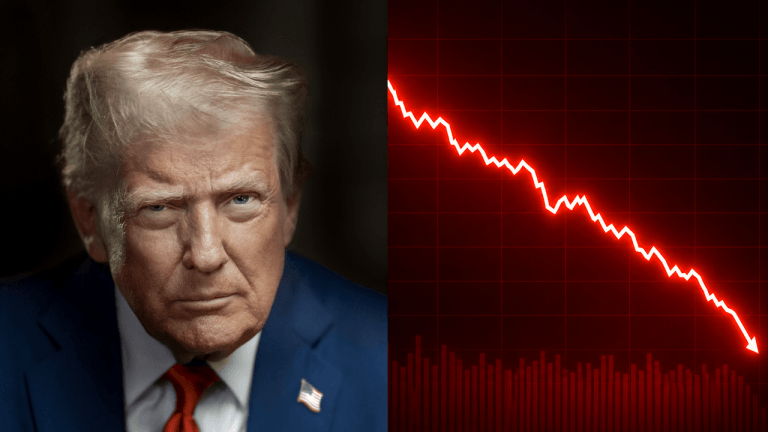
US gas prices have crossed the $4-a-gallon mark, a threshold not seen in months, as rising tensions with Iran fuel fears of supply disruptions. The national average for regular unleaded now sits at $4.00, according to industry data, with crude oil costs driving the increase.
Gas Prices Cross $4 Threshold
The $4 level is a psychological barrier for American drivers, many of whom are already feeling the pinch at the pump. The jump comes amid a volatile geopolitical landscape: the US and Iran have exchanged threats over oil shipments in the Strait of Hormuz, a chokepoint for about a fifth of the world's petroleum. Any disruption there could send prices higher quickly.
Gas prices had been trending downward earlier this year, but the recent spike in crude oil reversed that trend. The national average is now about 15 cents higher than a month ago, though still below the record highs of 2022.
Crude Oil Prediction: 4.7% Chance of Record by September
Some traders are betting that crude oil could hit a new all-time high before the end of September. Prediction markets give that outcome a 4.7% probability — a low but not negligible chance. The current all-time high for crude oil was set in 2008, when prices briefly topped $145 a barrel. If that record falls, it would likely push gas prices even higher.
The 4.7% figure reflects a market that sees the risk as real but not the base case. It suggests that while most traders expect prices to stay below record levels, enough uncertainty exists — largely tied to Iran — to keep the possibility alive.
Iran Tensions Drive Uncertainty
The immediate trigger for the latest price move is the standoff with Iran. The US has tightened sanctions on Iranian oil exports, and Tehran has responded by threatening to block the Strait of Hormuz. That has already pushed global benchmark Brent crude above $90 a barrel, with US crude not far behind.
Analysts at several major banks have warned that a full closure of the strait could send oil prices above $150 a barrel. But even without a blockade, the mere threat is enough to keep markets on edge. The situation remains fluid, with diplomatic efforts ongoing but no clear resolution in sight.
For now, American drivers are paying the price at the pump. The national average could climb further if crude continues its rally. The next key date is September 30, when the prediction market's contract expires — and the world will know whether crude oil has set a new record.