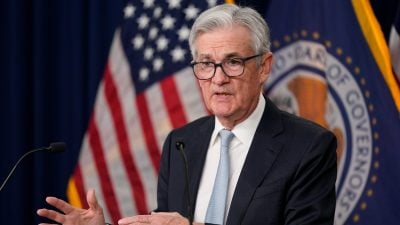
U.S. inflation came in hotter than expected in April, throwing a wrench into the Federal Reserve's plans for interest rate cuts. The year-over-year figure surpassed forecasts, a fresh sign that price pressures aren't cooling fast enough. For the Fed, the data means the timeline for lowering rates just got hazier.
What the April numbers mean for the Fed
The central bank has been waiting for clear evidence that inflation is sustainably heading toward its 2% target. April's report didn't deliver that. Instead, it showed inflation running above what economists had predicted. Policymakers now face a more complicated calculus: cut rates too soon and risk letting inflation re-ignite; wait too long and risk slowing the economy more than needed. The higher-than-expected reading gives them cover to hold steady, but it also raises the stakes for the next few months' data.
Fed Chair Jerome Powell and his colleagues have repeated that their decisions will be data-dependent. This batch of data makes it harder to argue that inflation is under control. Markets, which had been pricing in a cut as early as the fall, will have to adjust.
Geopolitical tensions keep pushing prices up
Persistent inflation pressures aren't coming from a single source. Geopolitical tensions — from conflicts in Eastern Europe to disruptions in Red Sea shipping lanes — are feeding into supply chains and commodity prices. Energy costs remain volatile, and that ripples through nearly every sector. The April report reflects those ongoing frictions. Even as some pandemic-era bottlenecks have eased, new ones keep appearing. It's a reminder that inflation isn't just a domestic story; global instability keeps adding fuel.
What delayed rate cuts could do to the economy
If the Fed delays rate cuts, borrowing costs stay higher for longer. That hits both consumers and businesses. Mortgage rates, already elevated, might not come down soon. Companies that were counting on cheaper credit to expand or invest could shelve plans. The labor market has been resilient, but sustained high rates could eventually take a toll on hiring and wage growth. For the economy, the risk is a slower expansion than many had hoped for this year.
Market dynamics also shift. Stock investors had rallied on the expectation of easier policy. Now, uncertainty over the rate path could lead to more volatility. Bond yields have already moved higher as traders recalibrate. The longer the Fed holds fire, the more the financial landscape adjusts to a higher-for-longer reality.
The next milestone: May's inflation data
The Fed's next policy meeting is in June, but it's May's inflation report that will really matter. If that reading also comes in hot, the case for a rate cut before the end of summer weakens further. If it cools, the debate reopens. Either way, the April numbers have reset expectations. The central bank isn't saying when it will move — but the data is making the decision for it.