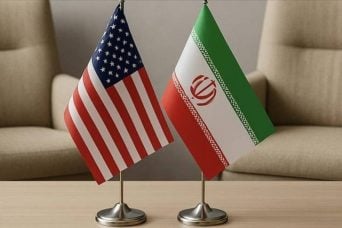
Diplomatic Channels Go Silent
Negotiators have paused their efforts to find common ground. Previously, there was hope for a breakthrough agreement. Now, that optimism has faded into uncertainty. Officials describe the atmosphere as frosty and unproductive.
Backchannel communications usually continue during public stalemates. However, even these private lines seem quiet. Analysts note this lack of contact is unusual for such volatile regions. It suggests a fundamental shift in how leaders approach the table.
What happens when dialogue ends? History shows that silence often precedes action. Without verbal outlets, frustrations may manifest differently. The international community watches with growing apprehension.
Military Escalation Risks Grow
The probability of a truce has declined significantly in recent weeks. Security experts warn that the potential for armed conflict grows as dialogue fades. Military assets in the region are reportedly on higher alert. This posture increases the chance of miscalculation.
Naval movements have been observed in critical waterways. Troop deployments suggest preparation for various scenarios. Defense ministries are reviewing contingency plans extensively. Such preparations rarely occur without cause.
Could a single incident trigger wider conflict? Many strategists believe the threshold for engagement has lowered. Accidental clashes could spiral quickly without diplomatic buffers. Restraint remains the only factor preventing immediate violence.
Global Markets Feel the Strain
Financial sectors react nervously to the unfolding crisis. Energy prices fluctuate wildly on news of the stalemate. Traders hedge positions against potential supply disruptions. Volatility indices have climbed steadily over the last month.
Oil markets are particularly sensitive to Middle East stability. Any threat to shipping lanes causes immediate price spikes. Consumers may eventually feel these costs at the pump. Economic planners are adjusting forecasts accordingly.
Stock exchanges in Europe and Asia show mixed reactions. Investors seek safe-haven assets like gold and bonds. Confidence in emerging markets takes a hit during such periods. Long-term growth projections face downward pressure.
New Diplomatic Strategies Emerge
Nations are reconsidering their foreign policy approaches. Allies of both parties are recalibrating their stances. Some propose multilateral interventions to restart talks. Others advocate for stricter economic pressure campaigns.
European powers attempt to mediate behind the scenes. Gulf states express concern over regional security stability. The United Nations calls for renewed commitment to dialogue. Yet, concrete actions remain limited so far.
How will strategies evolve in the coming months? Expect a mix of coercion and cautious engagement. Public statements may soften while private demands harden. Flexibility is key to navigating this complex landscape.
Conclusion and Future Outlook
The current standoff presents significant challenges for global peace. Resolving US Iran tensions requires patience and strategic vision. All parties must weigh the costs of conflict heavily. The world cannot afford another prolonged regional war.
Stakeholders should monitor official statements daily. Market participants need to prepare for continued uncertainty. Diplomatic breakthroughs