The escalating conflict between the United States and Iran is injecting fresh uncertainty into the inflation outlook, forcing the Federal Reserve to rethink its timeline for easing monetary policy. The standoff, which has intensified in recent weeks, threatens to push up energy prices and disrupt supply chains—two factors that could keep inflation stubbornly above the central bank’s 2% target.
How the conflict feeds inflation
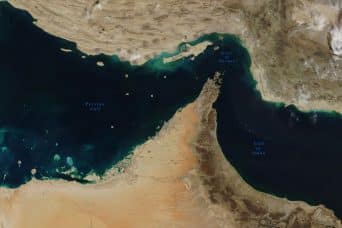
Oil markets are already jittery. The Strait of Hormuz, a critical chokepoint for global crude shipments, sits near the heart of the tensions. Any disruption there would send gasoline and heating costs higher, directly feeding into consumer price indexes. Beyond energy, the broader geopolitical risk makes it harder for businesses to plan, encouraging them to pass higher costs along rather than absorb them.
Those dynamics come at a bad time. Inflation has been cooling but remains stickier than the Fed would like, especially in services and housing. A new supply shock from the Middle East could reverse some of the progress made over the past year.
The Fed’s policy calculus
Federal Reserve officials have spent months signaling that rate cuts are coming—they just need to see more evidence that inflation is sustainably down. The US-Iran conflict throws a wrench into that timetable. If oil rises and inflation expectations start to creep up, the Fed will likely prioritize keeping borrowing costs high over stimulating the economy.
That means the first rate cut, which markets had hoped for as early as the summer, could get pushed further out. The central bank’s own projections, released in March, penciled in three quarter-point cuts this year. Those forecasts now look optimistic. Some policymakers have already started to sound more cautious in public remarks, though none have directly tied their stance to the Iran situation yet.
The danger for the Fed is that it gets stuck: cut rates too soon and inflation reignites; wait too long and the economy slows more than necessary. The conflict raises the stakes on both sides of that equation.
What to watch next
All eyes are on the next Federal Open Market Committee meeting, scheduled for early May. The statement that follows will be scrutinized for any shift in language around inflation risks. A more hawkish tone—one that emphasizes “elevated uncertainty” or “upside risks” to prices—would signal that the Iran situation is weighing on their thinking.
Also worth tracking: oil prices and the dollar. A sustained spike in crude would force the Fed to hold rates higher for longer, while a strengthening dollar could help offset some of the inflation pressure by making imports cheaper. So far, the dollar has held relatively steady.
The unresolved question is whether the conflict stays contained or escalates. If it expands, the Fed may have to choose between fighting inflation and supporting growth—a choice nobody at the central bank wants to make.