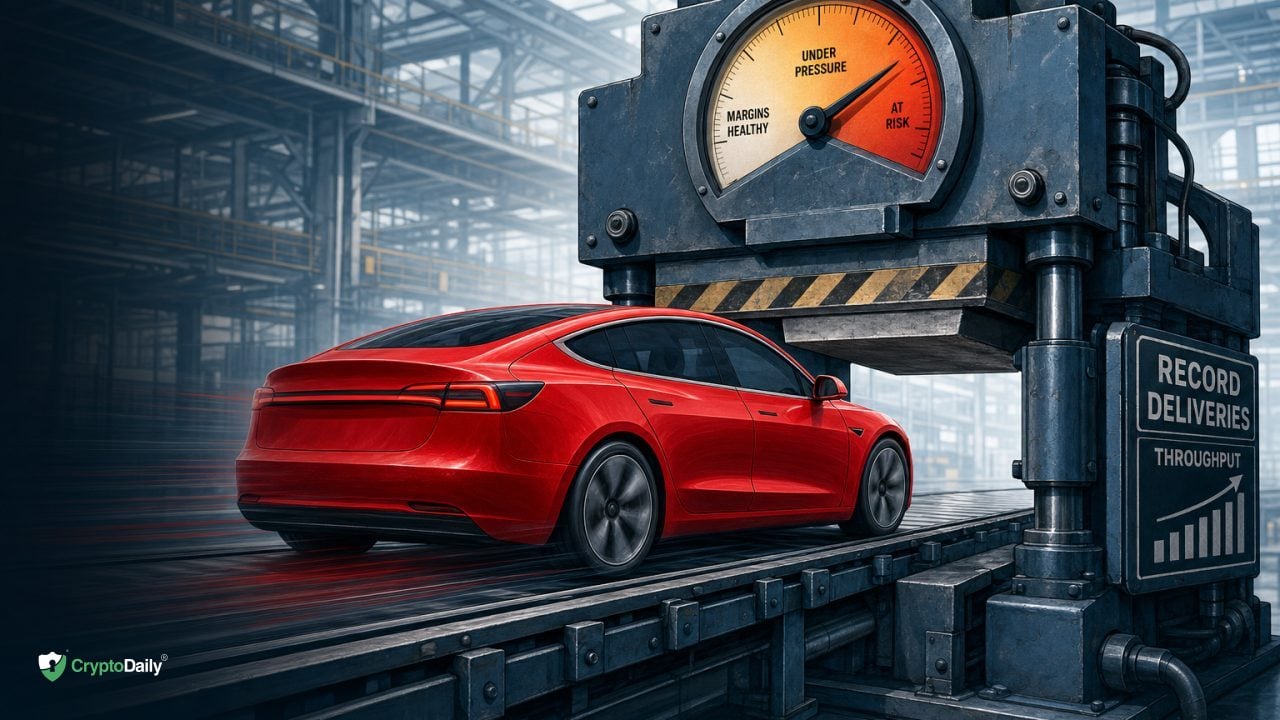
US manufacturing activity grew at its fastest rate in four years last month, powered by a rush to stockpile goods. The expansion, driven largely by businesses building up inventories, may hide a softer picture of underlying demand — and economists warn the burst could fuel inflation and set the stage for volatile swings in the months ahead.
Stockpiling frenzy
Factories raced to churn out products as companies loaded up on supplies and finished goods, pushing the sector's main activity index to a four-year high. The buying spree wasn't a sign of booming consumer appetite, data suggest. Instead, it reflects a strategic move by firms to get ahead of potential disruptions or price hikes. Manufacturers reported full order books and longer lead times, but the extra output is piling up in warehouses rather than flying off shelves.
The surge gives a temporary jolt to the economy, but it's not the kind of steady, demand-led growth that sustains hiring and investment. When the stockpiling spree runs its course, factories could face a sharp slowdown — leaving them with excess inventory and idle capacity.
What's at risk
The pattern raises two big concerns. First, it may mask real weakness in consumer and business demand. If the buying is mostly precautionary, the underlying economy could be growing slower than the headline numbers suggest. Second, the rush itself can push up prices for raw materials and components, feeding into broader inflation pressures. That's a headache for the Federal Reserve, which is already wrestling with stubborn price growth.
Past stockpiling episodes have often ended with a hangover. When companies stop ordering, production drops, and the economy can stumble. The difference this time is the scale — the fastest expansion in four years means a larger pile of inventory to work through.
The next ISM manufacturing report will show whether the stockpiling binge is still fueling growth or whether demand has quietly softened. Until then, the data offers a bright but brittle picture of American industry.