What Happened: US Military Seizes Oil Tanker
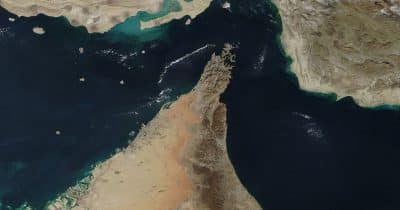
In a decisive move earlier this week, the United States Navy intercepted a commercial oil tanker that analysts trace back to Iranian ownership. The operation took place in the strategic waters of the Strait of Hormuz, a chokepoint through which nearly a third of the world’s petroleum passes daily. By boarding the vessel and taking control, the US military signaled a sharp escalation in the already tense relationship between Washington and Tehran. The seizure underscores a growing willingness to enforce sanctions through direct action, raising immediate questions about regional stability.
Geopolitical Ripple Effects Across the Middle East
Beyond the immediate drama, the incident is reverberating through the broader geopolitical landscape. Iran has condemned the act as "piracy" and vowed retaliation, while neighboring Gulf states watch nervously for any spill‑over. Experts warn that such confrontations risk igniting a chain reaction: "When a major power seizes a vessel linked to a regional actor, the diplomatic calculus shifts dramatically," says Dr. Laila Karim, a Middle‑East security scholar at the University of Chicago. The heightened tension could complicate ongoing negotiations over Iran’s nuclear programme and further strain US‑Iran diplomatic channels.
Potential Shockwaves for Global Oil Prices
Market watchers are already measuring the impact on crude prices. Within hours of the seizure, Brent crude rose 1.8%, while West Texas Intermediate climbed 2.1%, reflecting investor anxiety over possible supply disruptions. The International Energy Agency (IEA) warned that a sustained escalation could shave up to 300,000 barrels per day from global supply, enough to push prices above $90 per barrel in the short term. Traders are scrambling to adjust hedges, and volatility indexes have spiked to levels not seen since the 2020 oil price war.
Implications for US‑Iran Diplomatic Track
Diplomatically, the seizure narrows the already limited room for maneuver. The United States has been pursuing a conditional sanctions‑relief pathway tied to Iran’s compliance with the Joint Comprehensive Plan of Action (JCPOA). By directly targeting an Iranian‑linked asset, Washington may have inadvertently hardened Tehran’s negotiating stance. "Sanctions relief becomes a distant prospect when military actions dominate the agenda," notes senior fellow Michael O’Leary at the Brookings Institution. The move could also delay any potential re‑engagement talks slated for later this year.
How Trade Routes Might Shift Under Rising Tensions
Shipping companies are re‑evaluating routes to mitigate risk. Some operators are considering longer detours around the Cape of Good Hope, despite the added fuel costs and transit time. Others are opting for insurance premiums that reflect war‑risk coverage. Below are the main adjustments currently observed:
- Increased use of alternative corridors through the Red Sea and the Suez Canal.
- Deployment of naval escorts for high‑value cargoes in the Persian Gulf.
- Higher freight rates, with spot prices rising by roughly 15% for Gulf‑to‑Europe lanes.
These shifts could ripple through downstream industries, from petrochemical manufacturers to airlines, amplifying the economic fallout of the geopolitical flashpoint.
Expert Outlook: What to Watch in the Coming Weeks
Analysts suggest three key indicators will reveal whether the situation escalates or stabilises:
- Official statements from the US Department of Defense and Iran’s Revolutionary Guard regarding proportional responses.
- Fluctuations in global oil inventories, especially in strategic reserves held by the United States and OPEC members.
- Movement in diplomatic channels, such as back‑channel talks facilitated by European allies.
"If the US‑Iran dialogue stalls, we could see a series of reciprocal seizures, each raising the stakes," warns Dr. Karim. Conversely, a rapid diplomatic de‑escalation could restore some market confidence and temper the surge in oil price volatility.
Conclusion: The Seizure’s Long‑Term Legacy
The US military’s seizure of an Iranian‑linked oil tanker has thrust geopolitical risk back into the spotlight, threatening to destabilise regional security and stir up global oil markets. With sanctions relief on hold and trade routes under pressure, stakeholders from policymakers to investors must monitor the evolving narrative closely. Stay informed, and consider how these developments might affect your portfolio or strategic planning in the months ahead.