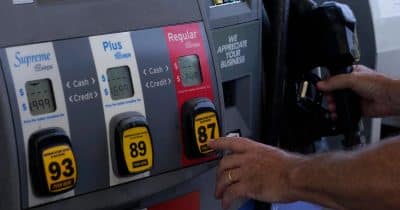
The United States government is working to tap its strategic energy reserves and increase natural gas exports to ASEAN countries, according to officials familiar with the plans. The move comes as the region faces growing energy demand and supply uncertainties.
Why the reserves are being released
Washington is preparing to release a portion of its emergency petroleum stockpiles, aiming to stabilize global fuel markets and ease price pressures. The decision reflects a broader strategy to counter supply disruptions and ensure steady flows to allies in Southeast Asia. The exact volume and timing of the release have not been finalized, but sources say the administration is coordinating with industry partners to make the reserves available quickly.
Releasing reserves is a tool the US has used before during supply emergencies. But this time the focus is not just on domestic relief — officials want to signal that the US can act as a reliable supplier to ASEAN governments that have been nervous about energy security.
The push for more gas exports
Alongside the reserve release, the US is working to boost sales of liquefied natural gas to ASEAN member states. The region, which includes major economies like Indonesia, Thailand, and Vietnam, has been ramping up imports to fuel power plants and industrial growth.
American exporters are already a major source of LNG worldwide, and the new push could mean more cargoes heading to Southeast Asian ports. The US government is in talks with several ASEAN nations to ease regulatory barriers and secure long-term purchase agreements. The aim is to give buyers confidence that supply will be there, even if global markets get tight.
The administration hasn't said how much extra gas volume it expects to move. But industry observers note that the US has room to increase liquefaction capacity, and that ASEAN countries are eager to diversify away from reliance on a single supplier.
Both efforts — the reserve release and the gas sales initiative — are part of a single campaign. Washington wants to show that it can offer both emergency stockpiles and steady commercial shipments to a region that has been courted by other energy powers.
No timeline has been set for when the reserves will start flowing, or when the gas deals will be signed. Officials are still working out the details with ASEAN member state representatives. The next few weeks should see firmer announcements as the plans take shape.