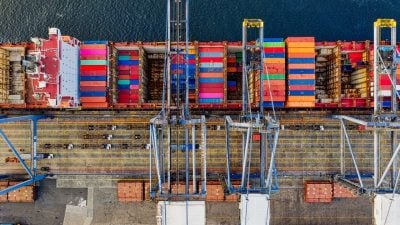
The US naval blockade has succeeded in halting Iran's oil exports, a goal that years of economic sanctions failed to reach. The halt could reshape global oil markets, with immediate effects on supply chains and pricing dynamics.
Why Sanctions Fell Short
For years, sanctions were the primary tool aimed at cutting Iran's oil revenue. They didn't work. The blockade did. The difference is that the blockade physically stops shipments, while sanctions rely on compliance from buyers and intermediaries. Sanctions left loopholes, and buyers found ways around them. The blockade closes those loopholes by force.
The Blockade's Effect
The blockade has effectively cut off Iran's oil exports. That's a significant shift. It means Iranian crude is no longer reaching international buyers. The halt is not just a reduction; it's a complete stop. Ships carrying Iranian oil are being turned back or intercepted. The result is a sudden loss of supply from one of the world's major producers.
With Iran's exports off the table, global oil markets face a new reality. Supply chains that depended on Iranian crude will have to find alternatives. Pricing dynamics are already shifting as the market adjusts to the loss of a major supplier. The full impact will depend on how quickly other producers can ramp up output and whether existing inventories can cover the gap.
The halt could reshape global oil markets. That's not just a short-term blip. It affects the balance of supply and demand, and it changes the bargaining power of other producers. Countries that bought Iranian oil will need to look elsewhere, and that shift could have ripple effects across the industry.
Unresolved Questions
The blockade's long-term impact remains unclear. The duration of the blockade is unknown, and it's not clear whether other producers can step in to fill the gap. The answers will determine whether the halt is a temporary disruption or a permanent change. For now, the market is watching to see how long the blockade holds and whether other producers can compensate for the lost barrels.