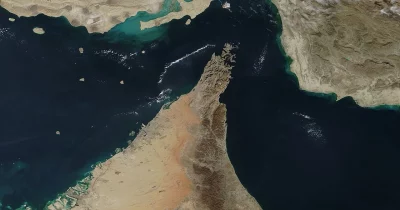
The US Navy has resumed operations in the Strait of Hormuz, launching a mission dubbed Project Freedom aimed at stabilizing global oil supply routes and strengthening maritime security in one of the world's most critical waterways. The move comes amid ongoing tensions in the region and concerns over the free flow of oil through the narrow chokepoint that connects the Persian Gulf with the open sea.
What Project Freedom Entails
Project Freedom is a naval operation focused on maintaining freedom of navigation and deterring threats to commercial shipping. Warships and support vessels are now patrolling the strait, coordinating with allied forces and regional partners. The US Navy has not disclosed the exact number of ships involved or the duration of the deployment, but officials described it as a sustained presence designed to reassure oil markets and prevent disruptions.
Why the Strait of Hormuz Matters
The Strait of Hormuz carries about 20% of the world's oil supply — a fact the Navy is keenly aware of. Any blockage or conflict in the narrow passage can send crude prices spiking and ripple through global economies. Previous incidents, including tanker seizures and mine attacks, have shown how quickly the region can destabilize. By resuming operations under a dedicated banner like Project Freedom, the US Navy signals it won't let those threats go unanswered.
Regional Reactions and Open Questions
Neighboring countries and oil market watchers are watching closely. Iran, which has long challenged Western naval presence in the area, has yet to issue an official statement on the renewed patrols. The US Navy says it remains committed to de-escalation but is prepared for any scenario. What's not yet clear is how long Project Freedom will last, or whether it will expand to include more allies. A Pentagon briefing on the operation is expected later this week.