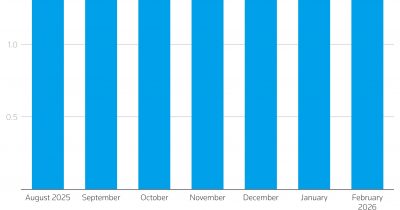
The US services sector is flashing a troubling combination: rising prices and a weakening jobs market. The latest data points to what economists call stagflation — a mix of stagnant growth and inflation that typically complicates policy decisions.
What the data shows
A key survey of service-oriented businesses, which account for the bulk of US economic activity, revealed that input costs are climbing while the employment index slipped. The reading suggests companies are paying more for supplies and labor but are hesitant to hire. That's a reversal from earlier this year when the sector was adding jobs at a solid clip.
The price index rose for the second straight month, driven by higher fuel, insurance, and raw material costs. Meanwhile, the employment gauge fell below the threshold that usually signals expansion. Together, the numbers paint a picture of an economy that's still growing — but barely — and facing upward pressure on prices.
Stagflation fears resurface
Stagflation hasn't been a major concern in the US since the 1970s. But the current mix of stubborn inflation and a cooling labor market is reviving the term. The services sector has been a key driver of post-pandemic growth, so any stumble here ripples through the broader economy.
The weak employment index is particularly worrying. It suggests that businesses, especially smaller firms, are pulling back on hiring even as they struggle with higher costs. That could mean slower income growth for households and less spending down the road.
The Federal Reserve has been trying to tame inflation with high interest rates. But if the economy is also slowing, the central bank faces a tough choice: keep rates high to fight price increases, or cut them to support jobs. The latest data doesn't make that decision any easier.
Some policymakers have signaled they're watching for signs of a broader slowdown. The services sector report adds to that concern. If the employment index continues to weaken, pressure on the Fed to ease policy will grow — even if inflation hasn't fully cooled.
For now, the services sector is still expanding, but barely. The combination of rising prices and a soft jobs market is a red flag. Whether it's a temporary blip or the start of a longer trend will become clearer in the months ahead.