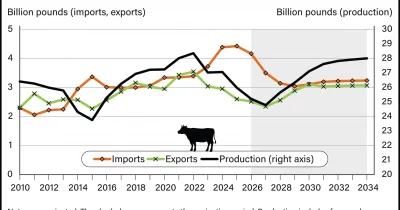
The United States will temporarily reduce tariffs on imported beef, a policy shift that could boost foreign supply and put downward pressure on domestic retail prices. The change, announced by the administration, comes without specifying an exact duration or the new duty rates.
A Limited-Time Trade Adjustment
Tariffs on beef imports are typically set at a fixed percentage of the product's value. The temporary reduction means that for a set period, importers will pay less per pound or per shipment. The government has not said how long the lower rates will remain in effect, nor whether they apply to all cuts of beef or only certain categories.
Why the Government Acted
Domestic beef prices have been a concern for consumers and policymakers. While the official rationale was not detailed, such tariff cuts are often used to increase supply quickly when domestic production falls short. Cattle herds in the U.S. have been under pressure from drought and high feed costs, leading to tighter supplies and higher prices at the meat counter.
Who Stands to Gain
Foreign suppliers of beef will find it cheaper to sell into the U.S. market during the tariff holiday. That could mean more choice for American importers and, eventually, more affordable options for shoppers. Domestic ranchers, on the other hand, face stiffer competition from overseas. Industry groups have historically pushed back against broader market access, arguing that it undermines local producers.
What Happens Next
The new tariff schedule is expected to be published in the coming days. Importers and exporters will need to adjust their contracts and logistics to take advantage of the lower duties. The temporary nature of the cut leaves open the possibility that rates could snap back if conditions change. For now, the move signals that the administration is prioritizing near-term price relief over long-term trade policy adjustments.