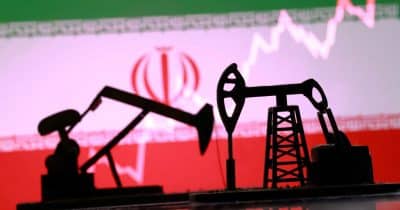
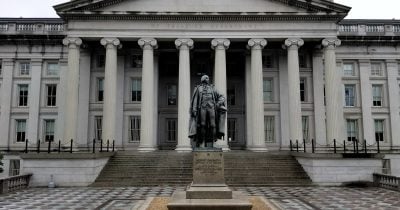
The US Treasury has imposed sanctions on Iran’s Persian Gulf Strait Authority (PGSA), stepping up pressure on Tehran’s oil exports. The action, announced as part of a broader campaign to choke off revenue streams, targets a state body that oversees maritime traffic through the strategic waterway. The move adds a new layer of tension to global trade routes already strained by regional rivalries.
Why the PGSA Was Targeted
The Treasury’s Office of Foreign Assets Control designated the PGSA for its role in facilitating Iran’s oil shipments. The authority manages vessel movements in the Strait of Hormuz, a chokepoint through which about a fifth of the world’s oil passes. By hitting the PGSA, Washington aims to make it harder for Iran to sell crude and collect payment, though the immediate effect on tanker traffic remains unclear.
Fallout for Regional Investments
The sanctions are expected to ripple through investment flows in the Persian Gulf region. Companies with exposure to Iranian-linked shipping or port operations may face compliance hurdles. The Treasury did not specify which entities would be affected, but the designation puts foreign firms on notice: doing business with the PGSA now carries the risk of secondary sanctions. That could chill new projects and slow capital deployment in surrounding economies.
Maritime Insurance Under Pressure
Insurance providers covering vessels that transit the Strait of Hormuz are likely to feel the heat. Underwriters typically rely on clarity about sanctioned parties to price risk. The PGSA designation may lead to higher premiums for tankers and cargo ships, or outright refusal to cover certain voyages. Brokers and shipowners are now scrambling to review their exposure, though no formal guidance has been issued yet.
The sanctions also highlight a broader strategy: using financial tools to isolate Iran’s oil sector without triggering a military confrontation. Whether that strategy holds depends on how quickly the PGSA’s operations can adapt. For now, the market is watching for any signs of disruption to the 17 million barrels per day that move through the strait.