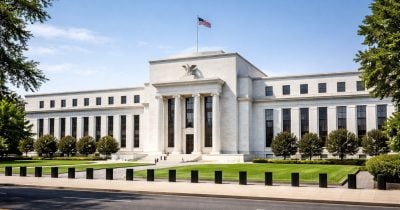
The US Treasury is preparing to grant waivers allowing Iran to continue selling oil abroad, according to a draft agreement being negotiated between Washington and Tehran. The move would ease some of the harshest economic penalties imposed under the Trump administration's maximum-pressure campaign.
What the waivers would cover
The waivers would let Iran export crude oil without facing US banking sanctions, a key demand from Tehran in the current round of talks. The exact volume of oil that could be shipped isn't public yet, but the draft suggests a phased approach — not an immediate lifting of all restrictions.
Why now
Negotiators have been meeting indirectly for months. The Biden administration wants to curb Iran's nuclear program and free detained Americans. Oil waivers are seen as a confidence-building step before any broader nuclear deal is signed. Critics in Congress have already voiced concern that the move rewards Tehran without verifiable compliance.
Who's affected
Iranian state oil firms would get the most direct benefit. But the waivers also affect major buyers — China, Turkey, and some Indian refineries — that have been cutting purchases to avoid US penalties. A formal waiver list hasn't been released, and the Treasury hasn't confirmed which companies or countries would be allowed to continue trade.
The draft is still being circulated among US agencies. No final decision has been made, and the Treasury could still pull back if talks stall. The next round of negotiations is expected within weeks, and the waivers would take effect only if both sides sign off on the broader framework.