The US unemployment rate has remained unchanged, according to the latest figures, while the Federal Reserve has indicated it will not cut interest rates until at least June 2026. The twin developments offer a mixed picture for the economy: a stable labor market, but no near-term relief for borrowers.
A Steady Labor Market
The unemployment rate hasn't budged. That means the share of Americans actively looking for work but unable to find a job is holding at the same level as the previous month. For workers, it suggests employers are still hiring at a pace that keeps up with the labor force, but isn't overheating the market.
Wage pressures have been a concern for the Fed, but with unemployment steady, there's no sign of a sudden spike in pay that could reignite inflation. The data gives policymakers room to wait before making any move on rates.
Delayed Rate Relief
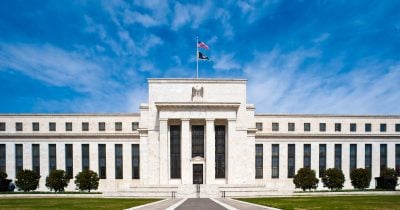
The Fed's stance is clear: don't expect a rate cut anytime soon. The central bank has signaled that the first reduction in its benchmark interest rate won't come before the middle of 2026. That's a longer wait than many had hoped for, especially for those carrying credit card debt or planning to buy a home.
Mortgage rates, auto loans, and business borrowing costs are likely to stay elevated in the meantime. The Fed's decision reflects its assessment that inflation, while easing, hasn't fallen enough to warrant looser policy.
Combine a steady job market with no rate cuts on the horizon, and the picture is one of cautious stability. Companies may hold off on expansion plans if borrowing remains expensive. Consumers, meanwhile, can't expect much help from cheaper loans this year or next.
The unemployment data also means the Fed doesn't need to step in to rescue a weakening labor market — so it can stay focused on its inflation target. That trade-off is familiar: higher rates for longer in exchange for price stability.
For now, the key question is whether the unemployment rate will stay this flat through 2025 and into 2026. If it does, the Fed's patience may pay off. If it starts to rise, pressure for an earlier cut could build. But based on today's numbers, that scenario isn't on the table.