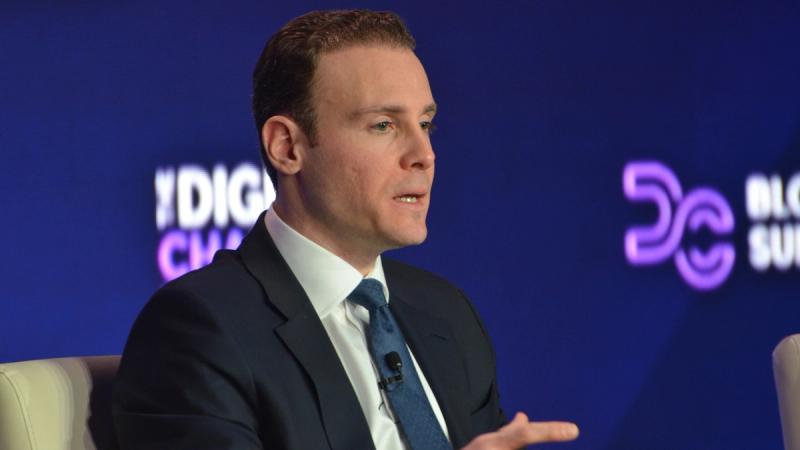
Utah Attorney General Derek Brown has filed a lawsuit against prediction market company Kalshi, labeling the platform a "public nuisance" and accusing it of causing "a significant and substantial ongoing harm" to residents of the state. The suit, announced this week, marks the first time a state attorney general has taken direct legal action against Kalshi, which lets users trade on the outcomes of real-world events.
At the center of the complaint is the argument that Kalshi's business model — which allows users to buy and sell contracts tied to future events — functions as a form of unregulated gambling that the state has a duty to stop. Brown's office is seeking to shut down the company's operations in Utah and recover profits it says were generated at the expense of state residents.
Why the Attorney General Took Action
Brown's office didn't mince words. In a statement accompanying the filing, the attorney general described Kalshi as a "public nuisance" and said the company is "causing a significant and substantial ongoing harm" to Utah residents. The lawsuit is described as pursuing profits from the prediction market company — a legal strategy that aims to strip Kalshi of revenue earned through its Utah-facing operations.
The complaint doesn't rely on the state's gambling statutes alone. By framing the platform as a nuisance, Brown's team appears to be testing a broader legal theory that could apply even if Kalshi argues its contracts are financial instruments rather than wagers. That distinction has been the company's central legal defense since it began offering event contracts under the oversight of federal commodities regulators.
Kalshi's Regulatory Tightrope
Kalshi has long maintained that its contracts are regulated by the Commodity Futures Trading Commission, a federal agency, and that this federal oversight preempts state-level gambling laws. The company has argued in prior disputes that its markets are financial products, not games of chance, and that states shouldn't be able to impose their own rules on a federally sanctioned exchange.
Utah's lawsuit directly challenges that position. If Brown's office succeeds, it could force Kalshi to either withdraw from Utah entirely or face steep financial penalties. The case also raises questions about how far a state can go in restricting platforms that operate online and across borders, particularly when those platforms claim federal regulatory cover.
The attorney general's move follows growing scrutiny of prediction markets nationwide. Several states have looked at whether platforms like Kalshi are offering illegal sports betting or unlicensed gambling under the guise of event contracts. Utah's action is the most aggressive step taken by a state regulator so far.
What the Lawsuit Means for Utah Users
For Utah residents who currently use Kalshi, the immediate effect isn't yet clear. The lawsuit seeks to halt the company's operations in the state, but no court order has been issued. Kalshi users in Utah can still access the platform as of now, though that could change if a judge grants a preliminary injunction.
The complaint also targets profits — a detail that suggests the attorney general isn't just looking to stop future activity but to claw back money the company has already made. That could set up a lengthy legal fight over how much Kalshi has earned from Utah customers and whether those funds can be recovered under state nuisance law.
Kalshi has not yet publicly responded to the lawsuit, and it's unclear whether the company will seek to move the case to federal court or fight it in Utah state court. Either way, the case is likely to become a test of how far prediction markets can operate in states that view them as gambling operations.
Brown's office is expected to file for a preliminary injunction in the coming weeks, according to the filing. A hearing date has not been set. Kalshi, meanwhile, continues to operate nationwide while the legal challenge moves forward.