Visa and Mastercard have quietly resumed operations in Syria, ending a 15-year absence that cut off most international payment services in the country. The move, confirmed by the companies in recent days, reopens a channel for cross-border transactions that had been frozen since 2009.
Why the cards stopped working
Both networks exited Syria in 2009 amid U.S. sanctions and a broader international crackdown on financial flows to the Assad government. At the time, the U.S. Treasury’s Office of Foreign Assets Control (OFAC) tightened restrictions, making it nearly impossible for Visa and Mastercard to process payments through Syrian banks. The suspension left Syrians reliant on cash, informal money transfer networks, and a handful of local debit cards that barely functioned abroad.
What the restart means
The resumption doesn’t mean full access to Western financial systems. Visa and Mastercard are restarting operations in a limited capacity, likely through third-party processors or non-sanctioned local banks. For now, the networks will handle inbound transactions — tourists and diaspora sending money home — rather than outbound spending by Syrians. That’s a cautious first step, given the patchwork of sanctions still in place.
Syrians who hold international cards may soon be able to use them at hotels, airlines, and major retailers. Businesses that cater to foreigners stand to benefit the most. But the vast majority of Syrians, whose wages are paid in devalued local currency, won’t feel the change in their daily lives.
The regulatory gap
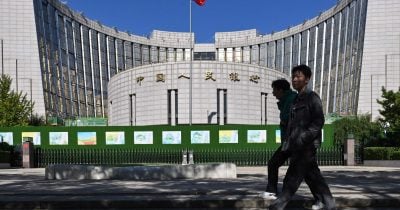
Neither company has disclosed whether it received explicit approval from U.S. or EU regulators. Visa and Mastercard likely rely on general licenses or exemptions for humanitarian transactions, but the details remain opaque. The Syrian Central Bank hasn’t issued a statement, and the companies themselves are keeping quiet about the exact scope of services.
That silence raises questions. Without clear guidance, banks and merchants in Syria face legal risk. A single misinterpreted transaction could trigger fines or sanctions exposure. The situation is delicate: Syria remains under broad U.S. and EU sanctions, even if some restrictions have been relaxed for specific sectors like food and medicine.
What’s next
Visa and Mastercard have not announced a timeline for expanding services. For now, the resumption is a toehold — a signal that payment networks see enough stability in Syria’s regulatory environment to test the waters. But until the companies publish clear terms for Syrian banks and merchants, the real-world impact will be hard to measure.