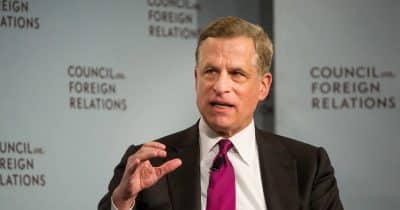
Warsh is pressing the Federal Reserve to adopt operational changes that could increase market volatility and reshape how digital assets are regulated, according to the proposal. The push, if successful, would have broad implications for investment strategies across both traditional and crypto markets.
What the changes aim to do
The operational changes Warsh is advocating focus on how the central bank interacts with financial markets and digital currencies. While specific details remain scarce, the stated goal is to modernize the Fed's framework. That could mean adjustments to how it manages liquidity, conducts open market operations, or oversees emerging assets like cryptocurrencies.
Supporters of the changes argue they would make the system more efficient. But the risk of increased volatility is real. Markets hate uncertainty, and any shift in the Fed's operational playbook tends to rattle traders.
Digital asset regulation on the line
A key part of Warsh's push involves reshaping digital asset regulations. The Fed currently has limited direct authority over crypto, but its policies influence how banks and other institutions treat digital currencies. A regulatory overhaul could either tighten oversight or create a more accommodating environment. The direction matters for everyone from retail investors to institutional players.
The timing is critical. Crypto markets have been through a turbulent period, with regulators around the world scrambling for clarity. Any signal from the Fed could set off a chain reaction in how other agencies approach the sector.
Investment strategies may need to adjust. If volatility increases, portfolio managers might shift toward safer assets or hedge more aggressively. For digital asset holders, the regulatory changes could determine whether crypto remains a niche play or goes mainstream under clearer rules.
The uncertainty itself is a factor. Investors don't like guessing what the Fed will do next. Warsh's push adds another layer of unpredictability to an already complex environment.
No timeline has been set for the Fed to act on the proposals. Warsh is expected to continue lobbying for the changes, but the central bank has not signaled when or if it will adopt them. The next few months will reveal whether the push gains traction or fades.