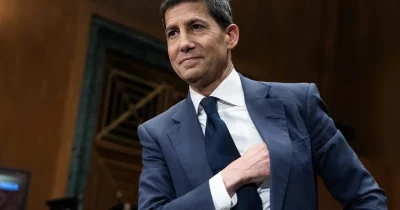
Kevin Warsh has taken the oath as the new Federal Reserve Chair. President Donald Trump has repeatedly demanded the central bank cut interest rates. Yet traders forecast hikes and investors see no rate cuts in 2026, setting up immediate tension in monetary policy.
White House Pressure Intensifies
President Trump has made lowering interest rates a consistent theme in his public remarks. He wants the Fed to act quickly on rate reductions. His calls have become more frequent as economic data remains mixed. This pressure lands directly on Warsh’s shoulders starting today. The president’s stance puts him at odds with the Fed’s traditional independence. There’s no indication he’ll back off after Warsh’s swearing-in. The new chair must now navigate these political demands while maintaining the central bank’s credibility.
Traders Price in 2026 Hikes
Financial markets are signaling higher rates next year. Traders have built rate hikes into their positions for 2026. Their expectations come from current inflation trends and strong economic indicators. This isn’t a casual forecast—it’s reflected in real-time trading activity. The Treasury yield curve shows yields rising for 2026 contracts. Some traders even anticipate multiple quarter-point increases. Warsh’s credibility will be tested when he addresses these market expectations. He can’t ignore prices that billions of dollars depend on. This market stance creates a clear obstacle to Trump’s demands.
Investors Stand Firm on No Cuts
Investors refuse to budge on 2026 rate cuts. Their analysis points to steady growth and persistent inflation. They see no need for the Fed to lower rates next year. Portfolio allocations confirm this outlook across major asset classes. Big institutional players have shifted capital to higher-yielding instruments. Their confidence in this forecast has grown steadily over recent months. Warsh now faces a market that’s fundamentally at war with the White House. This divergence isn’t theoretical—it’s moving real money daily. The central bank’s independence could strain if the gap widens further.
Warsh’s first monetary policy meeting is scheduled for early October, where his initial rate decision will reveal how he’ll resolve this clash between political pressure and market reality.