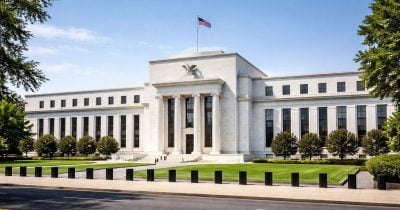
Kevin Warsh, chairman of the Federal Reserve, used his latest remarks to take a firm line on inflation, a stance that signals a shift toward tighter monetary policy. The comments are already rippling through interest rate expectations and forcing investors to recalibrate their strategies.
A firm line on inflation
Warsh's remarks left little room for ambiguity about his priorities. He emphasized the need to address inflation head-on, a position that suggests the central bank is prepared to act more aggressively than previously anticipated. The tone was unmistakable to those following the Fed's communications, even if the exact wording wasn't disclosed.
His stance marks a departure from the more measured language that has characterized recent Fed statements. The shift is not subtle. It points to a central bank that is willing to prioritize price stability over other economic goals, even if that means tightening conditions sooner than markets had expected.
The shift toward tighter policy has immediate implications for interest rates. Investors are now adjusting their outlooks, with many expecting a faster path of rate increases than they had priced in just weeks ago. The change is already visible in bond markets, where yields have moved in response to the new tone.
For borrowers, the implications are straightforward: borrowing costs are likely to rise. For savers, the picture is more mixed, as higher rates could eventually translate into better returns on deposits. But the near-term focus is on how quickly the Fed will move, and that uncertainty is keeping markets on edge.
Investor strategies in flux
Wall Street is scrutinizing Warsh's remarks, and the reaction has been swift. Portfolio managers are reworking their positions, with some pulling back from rate-sensitive sectors like real estate and utilities, while others are seeking protection against higher borrowing costs. The shift is forcing a rethink of assumptions that had held for months.
The scrutiny isn't limited to fixed-income desks. Equity investors are also recalibrating, weighing how a tighter policy might squeeze corporate margins and slow economic growth. The result is a market that is more cautious, more defensive, and more attuned to every signal from the Fed.
The focus now shifts to the Fed's next policy meeting, where any confirmation of a tighter stance will be met with close attention. Until then, the markets will be parsing every word from the central bank.