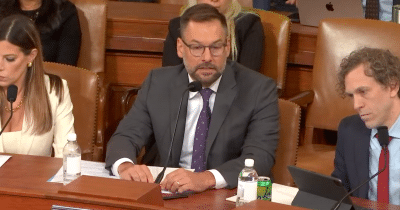
Abra CEO Bill Barhydt says he expects the Clarity Act to become law, a move he argues would sharpen the United States' competitive edge in digital asset innovation. The act, according to Barhydt, would modernize regulatory frameworks that have long been criticized as outdated.
What the Clarity Act Could Change
The Clarity Act is designed to update how digital assets are classified and supervised. Current rules, overlapping across agencies, often leave crypto firms unsure which laws apply. By streamlining those requirements, the act aims to give companies a clearer path to operate within the U.S. without running afoul of regulators.
Barhydt said during a recent interview that the legislation could shift the landscape. He pointed to the competitive pressure from other countries that have already adopted clearer crypto rules. Without similar action, the U.S. risks falling behind, he added.
Barhydt's Outlook
The CEO's confidence in the bill's passage comes at a time when crypto legislation has gained bipartisan attention in Congress. While the exact timeline remains uncertain, Barhydt told the audience he believes lawmakers are close to a deal. He did not offer specific dates or details on negotiations.
Abra itself operates across multiple states and has navigated the patchwork of state and federal regulations. For the firm, the Clarity Act could reduce compliance costs and open up new products for customers.
Barhydt stressed that the bill alone won't solve every problem. Enforcement actions and court rulings still create uncertainty. But he called the act a necessary first step toward a stable legal environment.
The broader crypto industry has watched similar proposals stall in past sessions. Barhydt's prediction suggests a shift in momentum, though he did not cite any particular congressional movement.
For now, investors and companies are waiting to see whether the Clarity Act clears both chambers. Barhydt expects it will—and that the U.S. will finally catch up to jurisdictions that have already modernized their rules.