Executive Summary
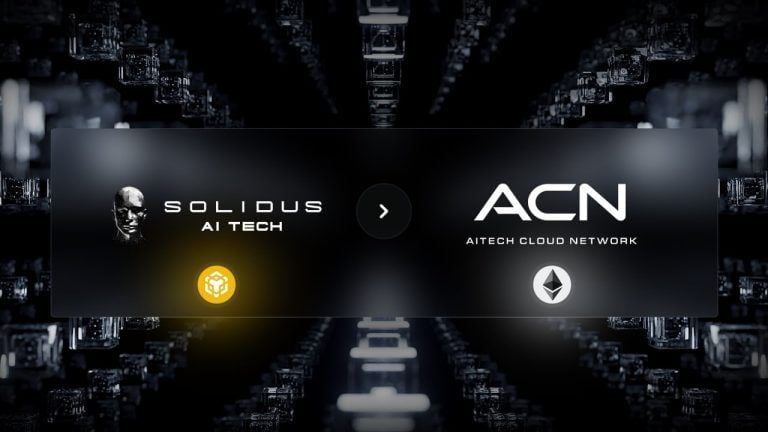
Solidus AI Tech, now operating under the name AITECH Cloud Network (ACN), unveiled a strategic migration of its blockchain layer from the BNB Chain to the Ethereum network. The move was disclosed in a sponsored press release issued earlier this week and signals a notable shift in the platform’s technical direction.
What Happened
AITECH Cloud Network announced that it will relocate all of its blockchain operations to Ethereum. The decision, communicated through a press release sponsored by Solidus AI Tech, outlines a phased migration plan that will begin imminently. The announcement does not specify an exact launch date but emphasizes that the transition will be executed over the coming weeks.
Background / Context
Earlier this year, Solidus AI Tech completed a corporate rebrand, adopting the AITECH Cloud Network identity and the ACN abbreviation. The rebrand reflects the company’s broader ambition to position itself as a cloud‑native blockchain service provider. Until now, ACN’s infrastructure has been built on the BNB Chain, a network known for its lower transaction fees and high throughput.
Ethereum, by contrast, remains the most widely adopted smart‑contract platform, offering a robust ecosystem of developers, dApps, and DeFi protocols. The shift to Ethereum aligns ACN with the broader industry trend of consolidating on a single, highly interoperable network.
Reactions
Solidus AI Tech, via the press release, highlighted the migration as a step toward greater scalability and security. The company indicated that moving to Ethereum will enable ACN to tap into a larger pool of developer talent and foster deeper integration with existing DeFi infrastructure.
Industry observers have noted that the migration could enhance ACN’s visibility among enterprise users who prioritize the network effects of Ethereum. No official comment has been released from the BNB Chain community regarding the departure.
What It Means
Transitioning to Ethereum positions AITECH Cloud Network to benefit from the network’s extensive tooling, audit standards, and a mature ecosystem of decentralized applications. For developers already building on ACN, the migration promises smoother access to Ethereum’s established standards and libraries.
From a security perspective, Ethereum’s long‑standing track record and active validator community may provide ACN with a more resilient foundation against potential attacks. However, the move also brings challenges, such as higher gas costs and the need to adapt smart contracts to Ethereum’s execution environment.
The migration underscores a broader industry pattern where projects prioritize network effects and ecosystem depth over lower transaction fees. By aligning with Ethereum, ACN may attract new partnerships and increase its appeal to institutional players seeking proven infrastructure.
What Happens Next
ACN’s roadmap indicates a phased rollout, beginning with core protocol components and followed by the migration of ancillary services. The company plans to provide developers with migration guides and technical support to ease the transition.
Stakeholders can expect regular updates from AITECH Cloud Network as the migration progresses, with milestones likely communicated through the platform’s official channels and future press releases.