Executive Summary
Russell Thompson, a senior market strategist, sounded an alarm on Thursday that a rapid contraction in global liquidity is likely to weigh on risk‑on assets, with Bitcoin positioned among the most vulnerable. While he sees a potential policy response from Washington that could eventually loosen the financial tap, the short‑term outlook remains bearish for the world’s leading cryptocurrency.
What Happened
During a live interview on a major financial network, Thompson highlighted that the combination of higher interest rates, shrinking central‑bank balance sheets, and tighter credit conditions is set to create a noticeable liquidity crunch. He warned that the ensuing scarcity of cheap capital could push investors out of higher‑risk holdings such as equities, emerging‑market assets, and digital currencies.
Specifically, Thompson noted that Bitcoin’s price could feel immediate pressure as market participants scramble for cash. He added that, despite the near‑term drag, upcoming U.S. fiscal or monetary measures—potentially including a pause in rate hikes or targeted stimulus—might eventually restore some of the liquidity that markets have been losing.
Why This Matters
For Traders
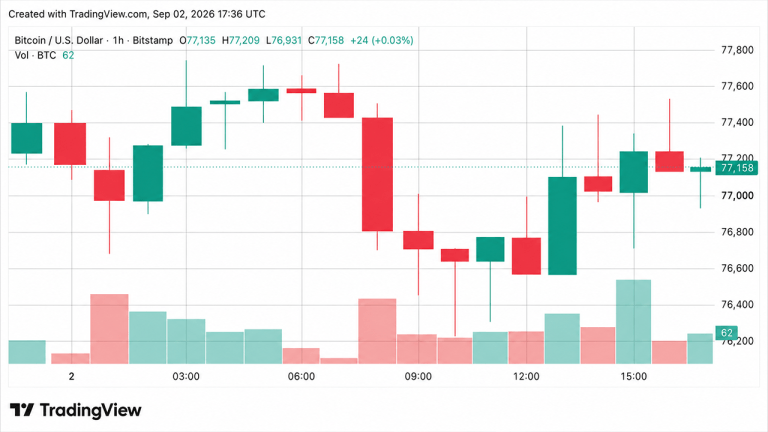
Short‑term price action is likely to stay volatile as liquidity constraints force market participants to rebalance. Traders should watch the $27,500 support zone closely; a break could open a path toward the $25,800 psychological level.
For Investors
Long‑term holders may find the current dip an entry point if the anticipated U.S. policy easing materializes. However, the timeline for such relief remains uncertain, making risk management essential.
What Most Media Missed
Many headlines focus on the headline‑grabbing price move, but few address the underlying liquidity mechanics that tie together central‑bank actions, sovereign bond yields, and crypto market dynamics. Thompson’s view underscores that Bitcoin’s price is not moving in isolation—it reacts to the same money‑supply pressures that affect equities and commodities.
What Happens Next
Short‑Term Outlook
In the next 24‑72 hours, the market is expected to test the $27,500 support. A decisive break could trigger further outflows, while a bounce would suggest that the liquidity squeeze is stabilizing.
Long‑Term Scenarios
If Washington announces a pause in rate hikes or a targeted fiscal stimulus, liquidity could gradually improve, potentially lifting Bitcoin back above the $30k threshold within the next quarter. Conversely, continued tightening would keep risk assets under pressure, extending the current bearish phase.
Historical Parallel
The 2022‑2023 tightening cycle, when central banks raised rates sharply, produced a similar liquidity crunch that saw Bitcoin slide from $68k to below $20k. The key difference now is the scale of U.S. fiscal stimulus under discussion, which could shorten the downside.