Coinbase CEO Brian Armstrong pushed back against Chamath Palihapitiya's claim that surging AI demand could cripple Bitcoin mining, arguing the network's built-in difficulty adjustment makes hash power irrelevant to price. Palihapitiya had warned that miners might earn 10 to 20 times more by selling energy to AI operators instead of mining Bitcoin, calling the shift structural — but Armstrong wasn't buying it.
The AI vs. Mining Argument
Palihapitiya, the venture capitalist and early Bitcoin bull, said miners could make far more money redirecting their electricity to AI data centers. He called the potential move structural but admitted he could be wrong. Armstrong countered that Bitcoin's long-term price is driven by inflation fear and sovereign deficits, not hash power. The network's difficulty adjustment automatically rebalances mining rewards, so even if some miners leave, the system adapts.
Market Context
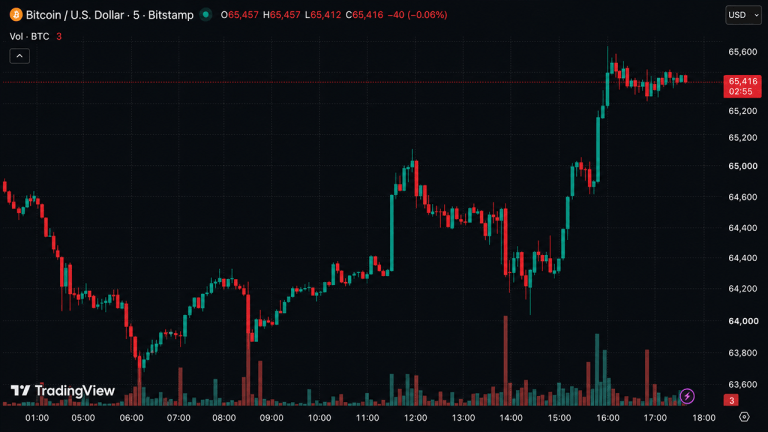
Bitcoin traded near $64,397 on Monday, down about 45% from its October 2025 peak. Its market cap sits around $1.29 trillion. Early 2026 fund flows show capital rotating from Bitcoin toward Ethereum, XRP, and Solana. Palihapitiya also noted that marginal liquidity currently prefers prediction markets and equities over Bitcoin, though he called that shift temporary.
Saylor's Take
MicroStrategy's Michael Saylor, never one to miss a bullish moment, called corporate Bitcoin adoption inevitable. He cited efficiency and scale that individual investors can't match. Meanwhile, daily activity in prediction markets often tops $300 million, resembling retail stock trading behavior — a sign that speculative capital has plenty of places to go.
The debate over mining's future isn't settled, but for now Armstrong's view carries the weight of the largest U.S. exchange. With Bitcoin still nursing a 45% drawdown and capital rotating to other assets, the next catalyst for a rebound remains unclear.