Arthur Hayes is pushing President Trump to kill the CLARITY Act. The BitMEX co-founder publicly criticized the bill this week, arguing it would do real damage to Bitcoin and the ideals the asset was built on. His intervention lands as the legislation sits on the president's desk, awaiting a signature or a veto.
The veto push
Hayes didn't mince words. He framed the CLARITY Act as a regulatory overreach that would strangle Bitcoin's decentralized nature. The bill, in his view, forces a centralized framework onto a system designed to operate without one.
His message to Trump is direct: veto it. Hayes is betting that the president, who has positioned himself as crypto-friendly, will side with the industry's loudest voices over the bill's backers in Congress.
Decentralization vs. the rulebook
The core tension here isn't new, but Hayes is giving it a fresh spotlight. Bitcoin works because no single entity controls it. The CLARITY Act, as Hayes sees it, would drag Bitcoin into a world of compliance obligations and legal definitions that assume a central authority exists.
That's a fundamental mismatch. You can't regulate a borderless, permissionless network the way you'd regulate a bank. Hayes is essentially saying the bill's authors don't understand what they're legislating.
Market stakes
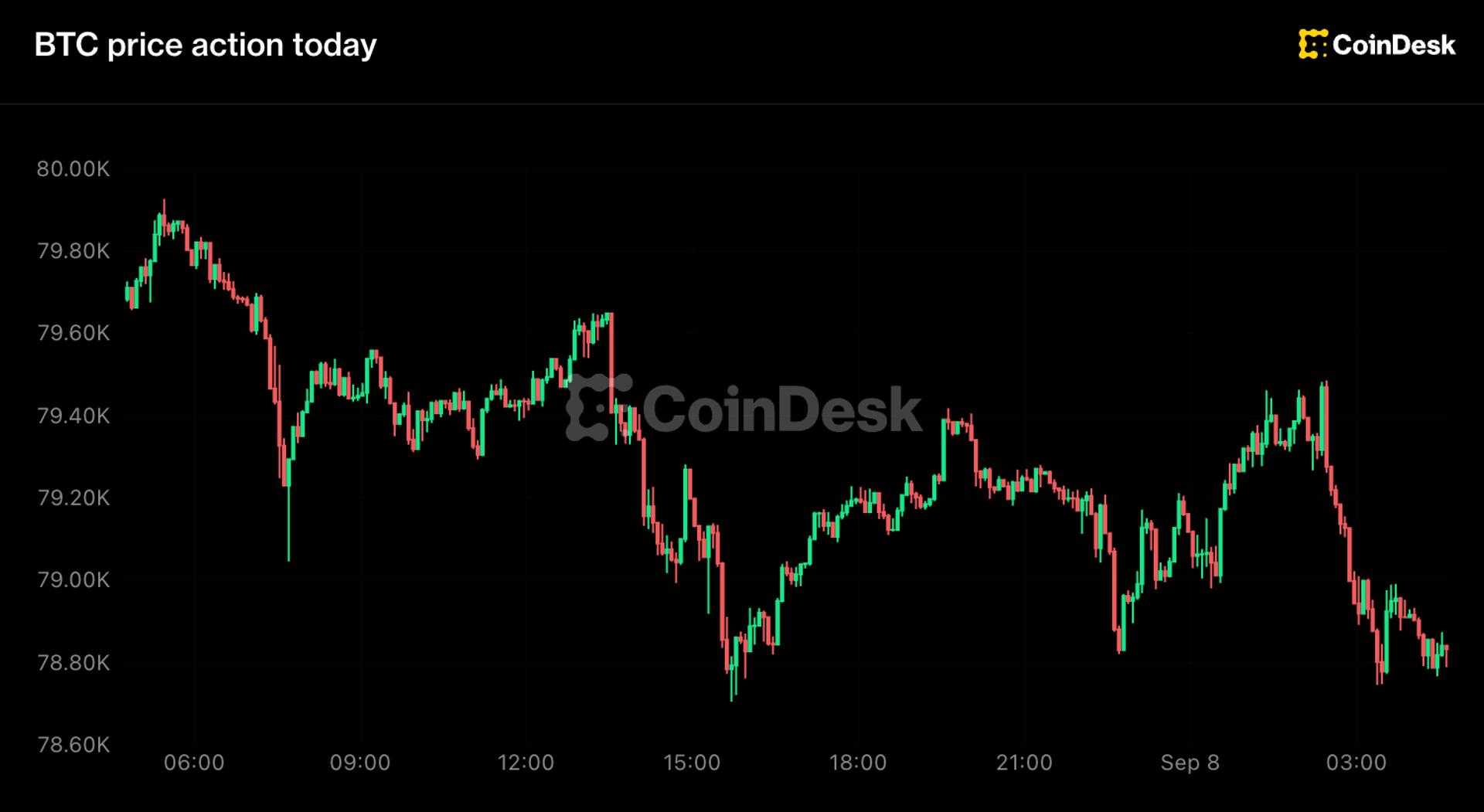
This isn't just a policy debate. Hayes' critique carries weight in the trading community, and his words could nudge sentiment. If the bill becomes law, the uncertainty alone could weigh on Bitcoin's price action. If Trump vetoes, it's a clear signal that the White House is listening to crypto's most influential figures.
The market is watching the White House closely. A veto would be a win for the decentralization crowd. A signature would be a reminder that Washington's regulatory appetite isn't going away.
What happens now
The ball is in Trump's court. He has a limited window to act on the CLARITY Act, and Hayes has made his position unmistakable. Whether the president agrees with the BitMEX co-founder or sides with the bill's sponsors, the decision will set the tone for U.S. crypto policy for the rest of 2026.