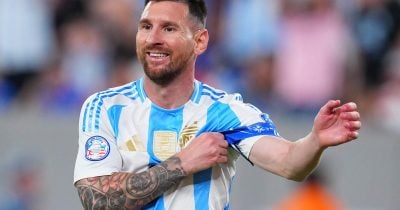
Luka Modric is 40 years old and still the man Croatia turns to when they need to slow down England. When the two sides meet later this week in the World Cup knockout stage, Modric will be the oldest outfield player on the pitch. His presence at this level is remarkable by any measure. But it also happens to come at a moment when crypto's footprint in football is bigger than ever.
Modric's late-career peak
Modric won the Ballon d'Or in 2018 and led Croatia to a runner-up finish that same year. Six years on, he's still pulling strings in midfield. Age hasn't dulled his vision or his ability to dictate tempo. For England, stopping him will be the key to unlocking a defense that has looked vulnerable in transition. For the broader sport, Modric's durability is a reminder that elite careers last longer than they used to — and that the commercial ecosystem around them has changed dramatically.
Crypto's quiet takeover of football sponsorship
Over the past two years, crypto firms have become one of the biggest sources of sponsorship money in European football. Several top-flight clubs now carry blockchain logos on their sleeves. Fan tokens, NFT-based merchandise, and crypto-backed loyalty programs are no longer experimental — they're standard offerings. Modric's World Cup run, broadcast to billions, puts that shift in stark relief. He's not a crypto ambassador himself, but the tournament he's playing in has signed sponsorship deals with multiple digital-asset platforms.
What the shift means for fan engagement
Traditional sponsorship was about putting a brand on a shirt and hoping for TV exposure. Crypto sponsorships tend to be more interactive. Clubs issue fan tokens that give holders voting rights on minor decisions, like which song plays after a goal or what kit the team wears for a warm-up match. The model pushes fans from passive viewers to active participants. For a player like Modric, who built his career in an era before crypto touched the sport, the change is stark. The next generation of stars will come up in a football economy where blockchain is baked into the business.
The match and the moment
England enters the game as the favorite. Croatia has a habit of defying odds in knockout tournaments. Modric will likely be the oldest player on the field, but he won't be the slowest. His ability to read the game has only sharpened with age. And while the outcome of the match is uncertain, the broader trend is not: crypto's influence on football is still growing, and a player of Modric's stature playing at 40 is just one more reason the world is paying attention.