Scott Bessent, the US Treasury Secretary, has signaled a new era of currency activism by coordinating a yen intervention this week. The move, aimed at stabilizing global financial markets, could weaken the dollar — and that's where Bitcoin comes in. A softer dollar historically tends to lift Bitcoin prices, and traders are already watching for the knock-on effects.
What Bessent did
Bessent's Treasury stepped in alongside other major central banks to support the Japanese yen, a rare instance of active US currency intervention. The coordinated action is the clearest sign yet that Washington is willing to use its balance sheet to influence exchange rates, a departure from the hands-off approach of recent years. The intervention was executed swiftly, with the goal of curbing excessive yen volatility.
Active intervention to strengthen the yen typically involves selling US dollars. That selling pressure can push the dollar lower against other currencies. A weaker dollar makes US exports cheaper but also reduces the purchasing power of dollar-denominated assets. For crypto markets, the relationship is straightforward: Bitcoin often rallies when the dollar declines, as investors seek alternatives to fiat currency.
Bitcoin's potential upside
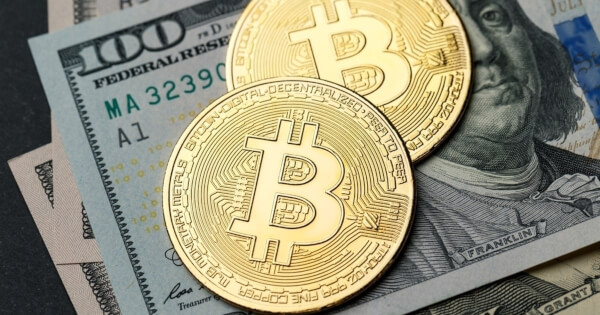
The logic isn't complicated. If the dollar weakens, Bitcoin — priced in dollars — becomes more attractive to international buyers. The same amount of foreign currency buys more BTC. Past episodes of dollar weakness, such as during the 2020-2021 stimulus wave, saw Bitcoin surge. This time, the catalyst is policy-driven rather than pandemic-driven, but the mechanism is similar. No one is calling a specific price target, but the directional bias is clear.
Market stability angle
Bessent's team framed the intervention as a stability measure. By calming the yen's wild swings, the Treasury hopes to reduce broader market anxiety. Stable currency markets tend to support risk assets, including crypto. If the intervention succeeds, it could create a more favorable environment for Bitcoin and other digital assets to hold their ground or climb.
The full impact on Bitcoin and global markets will depend on the scale and frequency of future interventions. For now, the signal from Washington is unmistakable: the US is back in the currency game, and crypto is watching.