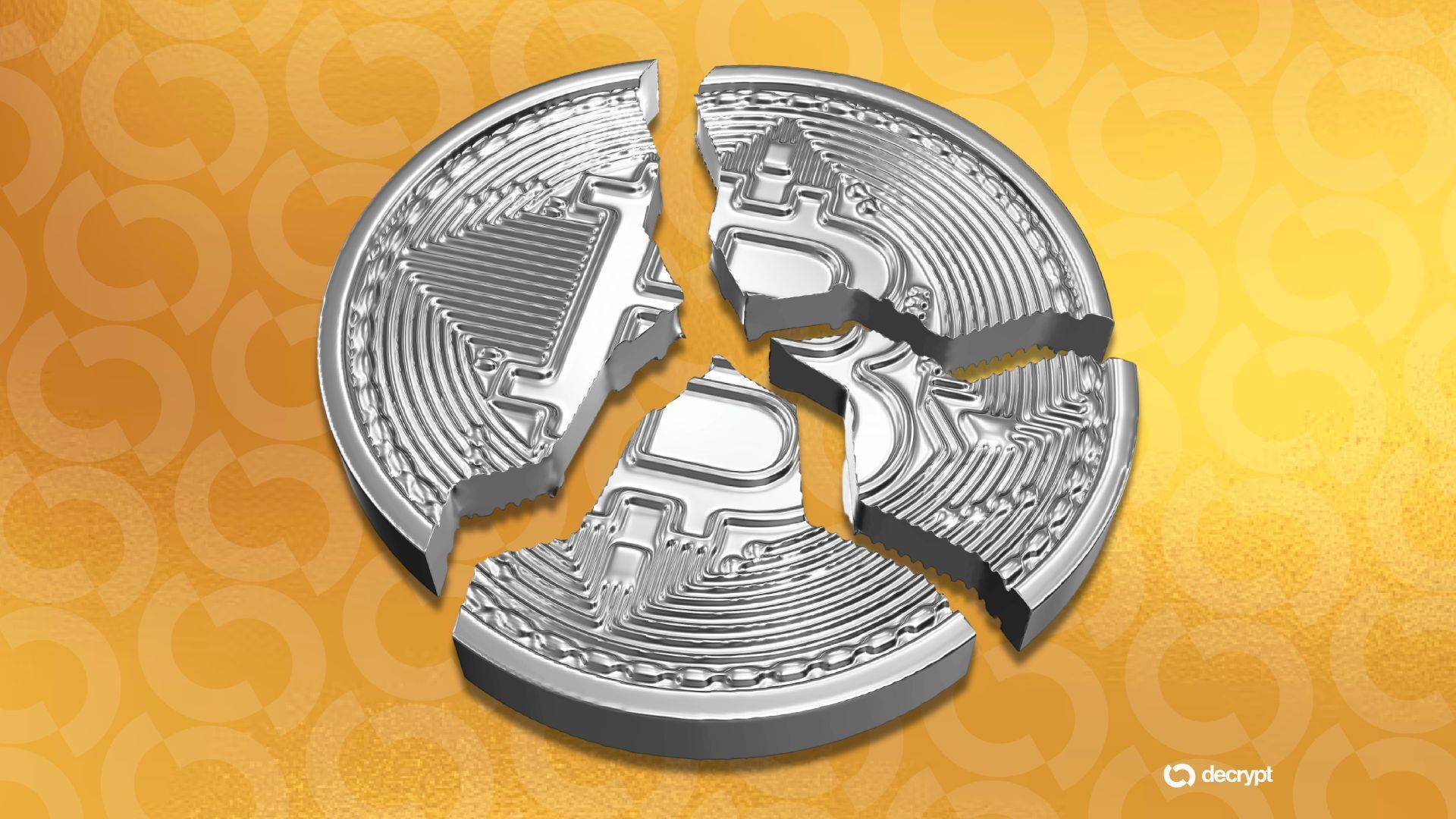
The ongoing Bitcoin bear market is driving a structural shift in who holds the cryptocurrency. Retail investors are retreating, while professional and institutional players are increasing their presence. This transition could bring more stability to the market but may also dampen the kind of retail-driven volatility that has historically fueled price swings and innovation.
The retail exodus
Small traders have been shaken out over the past months. Many entered during the bull run, lured by quick gains. Now, with prices down and no clear bottom in sight, they're selling at a loss or simply walking away. The data shows wallet sizes shrinking and exchange inflows dropping from smaller addresses. It's a familiar pattern in bear markets — but this time, the exit seems more pronounced.
Institutions fill the gap
On the other side, professional investors are buying the dip. Hedge funds, family offices, and even some pension funds have been quietly accumulating. They're not chasing pumps; they're building positions for the long haul. This shift suggests a maturing market, one where price moves are driven less by hype and more by calculated risk. The volatility that defined Bitcoin's early years may be fading.
A trade-off for the ecosystem
Less retail-driven volatility means fewer wild swings. That's good for stability and for attracting cautious capital. But it also means less of the speculative energy that spawned new projects and rapid innovation. The meme coins, the NFT flips, the DeFi experiments — many thrived on retail enthusiasm. With professionals in charge, the market might become more predictable, but also more boring. The question is whether that trade-off is worth it.
The next few months will show whether the market's new backbone is strong enough to carry it through the rest of the bear cycle. If professional holders stay put, Bitcoin could emerge with a healthier, more resilient investor base. If they get spooked too, the floor could drop further.