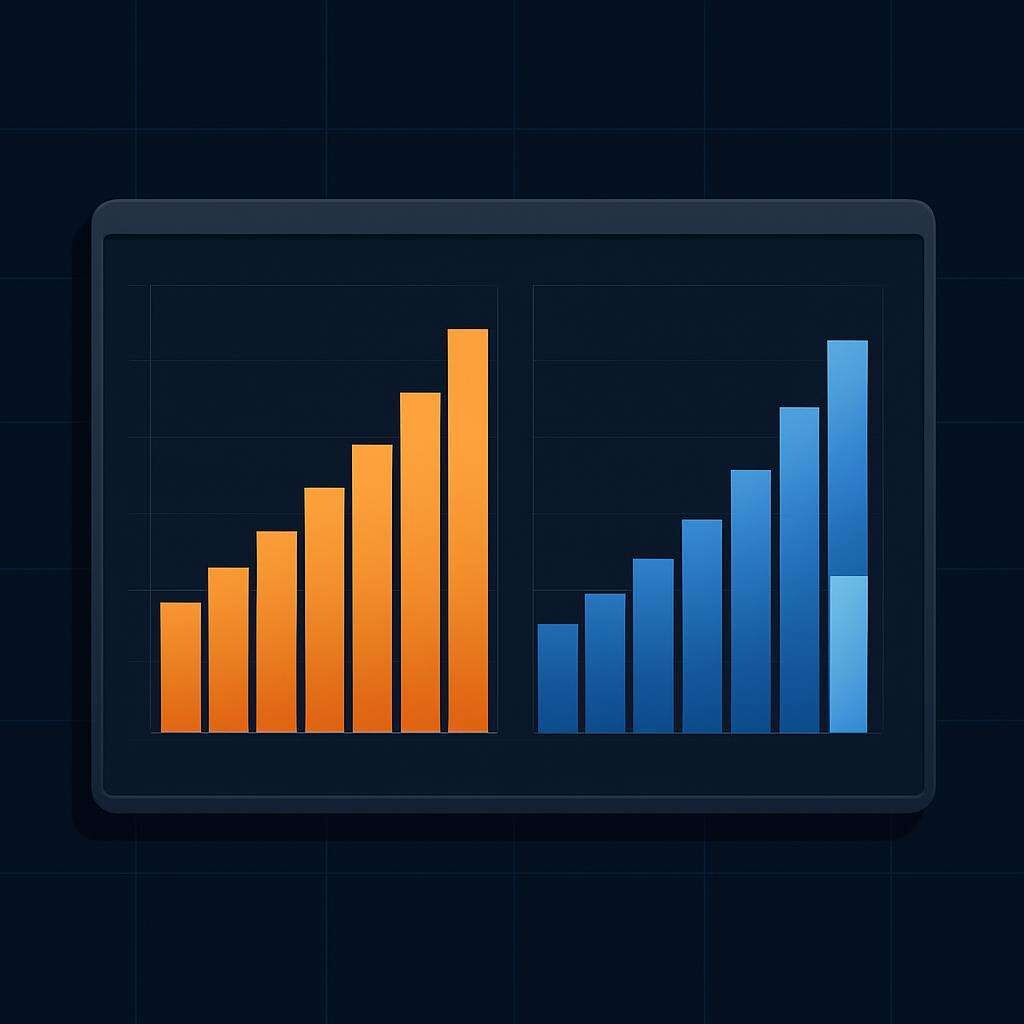
Bitcoin climbed past $80,000 on Monday for the first time in three months, pushed by steady flows into exchange-traded funds and a wave of forced buying from short sellers who got caught off guard. The move was sharp and quick, leaving the market with a fresh high and a set of questions about what comes next.
ETF money and the short squeeze
The rally is built on two pillars. Exchange-traded funds have been absorbing a steady stream of cash this month, adding a layer of consistent demand. Then came the short squeeze. Traders who had borrowed bitcoin expecting a decline were forced to buy it back as the price rose, and each repurchase pushed the price a little higher, triggering more forced buying. It's a classic feedback loop.
Thin order books are doing the heavy lifting
The speed of the move is as much a function of market depth as it is of demand. Order books have been thinner than usual for weeks, meaning a single sizeable order can move the price much more than it would in a deeper market. That works in both directions—the climb was fast, but a reversal could come just as quickly if the buying appetite stalls. The market is effectively trading in a lower-liquidity environment, which amplifies every move.
What the $80,000 line really means
Crossing $80,000 is more than a psychological marker—it's the first time since May that the asset has traded in this zone. The question now is whether the level flips from resistance to support. The short squeeze is a one-time event; once the leverage is cleared, the momentum has to come from the ETF side. If inflows keep up, the $80,000 level could become a floor. If they slow, the market may give back the gain just as quickly. That's the setup traders will be watching this week.