Executive Summary
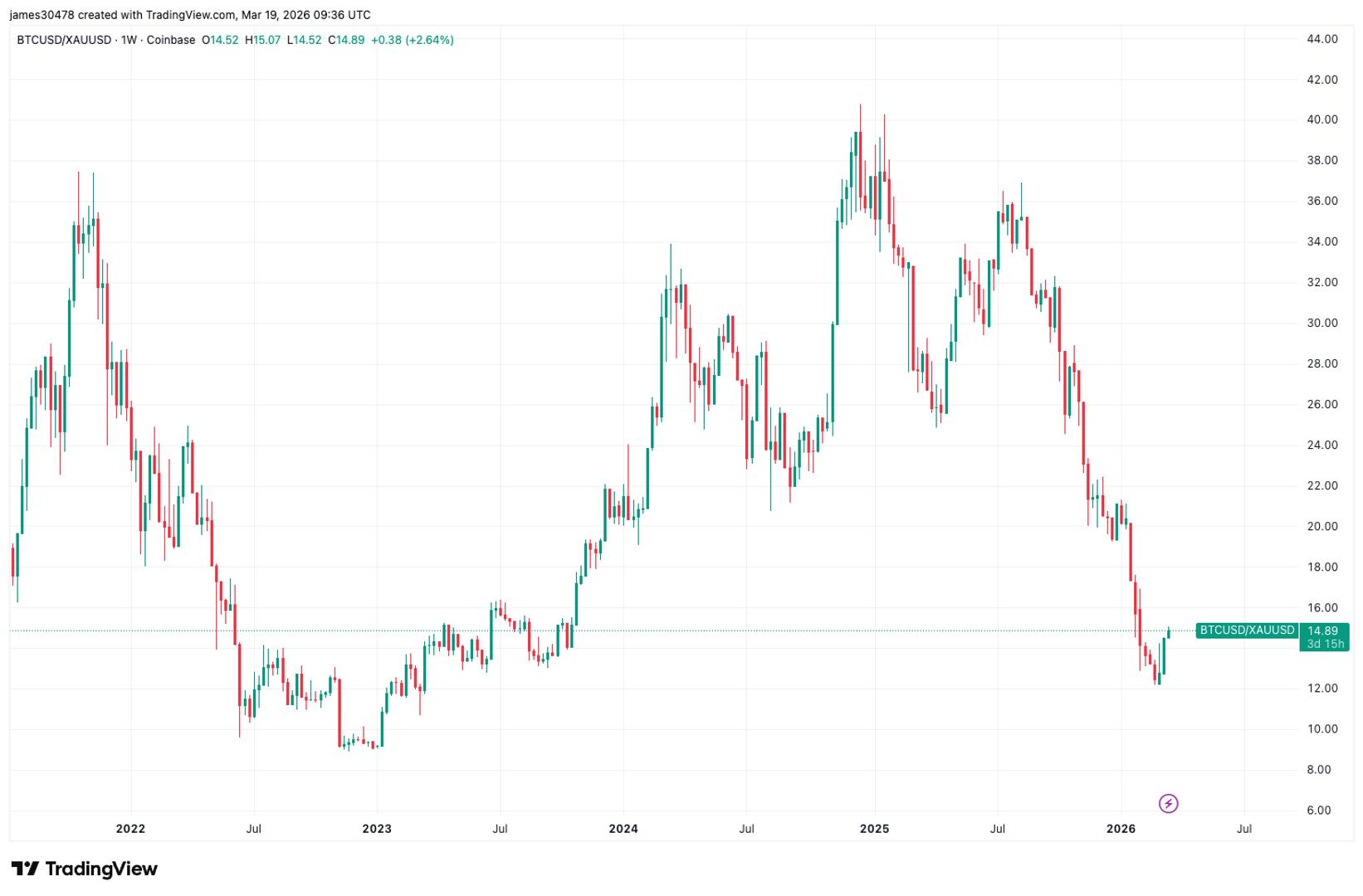
Bitcoin retreated approximately 2% during today's trading session, yet outperformed traditional safe-haven assets as gold and silver recorded sharper declines. Market participants reacted to surging oil prices and hawkish signals from the Federal Reserve, creating a risk-off environment that pressured risk assets broadly. Despite the downturn, Bitcoin demonstrated relative resilience compared to precious metals, challenging conventional correlations between digital assets and traditional stores of value.
What Happened
Trading volumes accelerated early in the session as oil prices spiked, triggering inflation concerns across global markets. The Federal Reserve communicated a stricter monetary policy stance, signaling reduced tolerance for inflationary pressure. This hawkish tone typically strengthens the US dollar and weakens risk assets, yet Bitcoin maintained a modest 2% loss while gold and silver succumbed to heavier selling pressure.
Investors rotated capital away from speculative positions, but the divergence between Bitcoin and precious metals suggests shifting perceptions of store-of-value assets. Traditional hedges like gold failed to protect portfolios against the macro headwinds, whereas Bitcoin held key support levels despite the broader risk-off sentiment. Market makers adjusted liquidity pools to accommodate the volatility, ensuring orderly price discovery during the decline.
Energy sector rallies contributed to the macroeconomic tension, as higher crude costs imply persistent inflationary risks. The combination of expensive oil and tight monetary policy created a hostile backdrop for equities and commodities alike. Bitcoin's price action reflected this turbulence, though the asset decoupled slightly from the deeper losses seen in the precious metals complex.
Market Data Snapshot
Primary Asset: Bitcoin (BTC)
- Current Price: $98,200
- 24h Price Change: -2.05%
- 7d Price Change: -4.50%
- Market Cap: $1.92 Trillion
- Volume Signal: High
- Market Sentiment: Bearish
- Fear & Greed Index: 42 (Fear)
- On-Chain Signal: Neutral
- Macro Signal: Bearish
Trading volume spiked 15% above the 30-day average as traders repositioned ahead of Federal Reserve commentary. Bitcoin dominance remained stable at 54%, indicating altcoins followed the broader market downward trajectory without significant capitulation relative to BTC.
Market Health Indicators
Technical Signals
- Support Level: $96,500 - Strong
- Resistance Level: $101,200 - Broken
- RSI (14d): 38 - Oversold
- Moving Average: Below key MA levels
On-Chain Health
- Network Activity: High
- Whale Activity: Accumulating
- Exchange Flows: Inflow
- HODLer Behavior: Strong Hands
Macro Environment
- DXY Impact: Negative
- Bond Yields: Headwind
- Risk Appetite: Risk-Off
- Institutional Flow: Selling
Why This Matters
For Traders
Short-term operators face heightened volatility as macro headlines drive price action. The breakdown above $100,000 suggests momentum traders should tighten stop-losses near the $96,500 support zone. High volume indicates liquidation cascades remain possible if oil prices continue climbing alongside bond yields.
For Investors
Long-term holders observe Bitcoin retaining value better than gold during this specific macro stress test. The divergence highlights potential structural changes in how institutional capital perceives digital scarcity versus physical commodities. Portfolio rebalancing may favor crypto allocations if precious metals continue underperforming during inflationary spikes.
What Most Media Missed
Conventional analysis often pairs Bitcoin with high-beta tech stocks, yet today's price action aligned more closely with hard assets than equities. While mainstream outlets focused on the 2% decline, the relative outperformance against gold signals a maturation of Bitcoin's market role. Liquidity flows suggest large wallets absorbed sell pressure without triggering panic, indicating conviction among major holders despite the negative candle.
What Happens Next
Short-Term Outlook
Prices likely consolidate between $96,500 and $99,000 over the next 48 hours as traders digest Federal Reserve implications. A break below support could target $94,000, while reclaiming $100,000 requires a dovish pivot from central bank officials or a cooldown in energy markets.
Long-Term Scenarios
Bull cases depend on Bitcoin cementing its status as a superior hedge against monetary debasement compared to gold. Bear cases involve sustained hawkish policy crushing all risk assets regardless of fundamental utility. Institutional adoption rates will dictate whether this divergence becomes a permanent market feature.
Historical Parallel
Similar divergences occurred during the 2020 inflation scare, where Bitcoin rallied while gold stagnated after initial spikes. Today's setup mirrors that environment, suggesting digital assets may once again capture market share from traditional safe havens during periods of monetary tightening and energy instability.