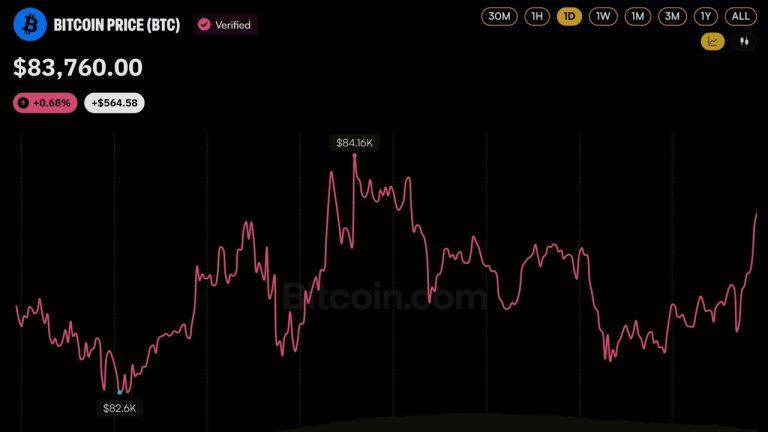
Bitcoin's price remains above its estimated production cost of $54,939, but that hasn't stopped a growing number of miners from looking elsewhere for income. They're turning to artificial intelligence — a shift that could slow the network's hashrate growth and ripple through Bitcoin's economic dynamics. The move raises questions about long-term market stability, even as the current price environment keeps mining profitable.
Why miners are looking beyond Bitcoin
Mining Bitcoin is a feast-or-famine business. When prices are high, margins are fat. But the halving cycle and price swings make revenue unpredictable. AI workloads, by contrast, offer steady, contract-based income. Some miners are now allocating a portion of their computing power to AI training and inference, treating it as a hedge against Bitcoin's volatility. The trend isn't new, but it's accelerating this year as AI demand surges and mining hardware becomes more versatile.
What this means for hashrate growth
Hashrate — the total computing power securing the Bitcoin network — has historically climbed as miners race to add more rigs. But if miners divert resources to AI, that growth could slow. Less hashrate growth means slower difficulty adjustments, which in turn affects block times and transaction fees. It's not a crisis, but it's a shift in the network's fundamental supply-demand math. The production cost of $54,939 acts as a floor, but the pace of new hardware deployment may ease.
Broader implications for market stability
When miners sell less Bitcoin to cover costs, it can reduce selling pressure — a potential positive for price. But the flip side is that a smaller share of mining power dedicated to Bitcoin could concentrate influence among the largest players who can afford both AI and Bitcoin operations. That concentration risk, combined with slower hashrate growth, could make the network less resilient to shocks. The facts are still unfolding, but the trend is clear: Bitcoin mining is no longer just about Bitcoin.
What comes next? The next difficulty adjustment will offer a first look at whether hashrate growth is actually decelerating. Miners' earnings reports in the coming months will show just how much revenue is shifting from block rewards to AI contracts. For now, the market is watching.