Bitcoin's ownership base is shifting in a way the market hasn't seen before. According to CryptoQuant CEO Ki Young Ju, supply is rotating from early participants toward US financial institutions, exchange-traded funds, and a new crop of long-term holders. The clearest signal: the cohort holding Bitcoin for six months to two years now controls 53% of realized cap — up from just 15% two years ago.
The Big Buyers: Strategy and ETFs
The numbers are staggering. Since January 2023, Strategy (formerly MicroStrategy) has bought 711,206 BTC and sold only 32 BTC — net removing 711,174 coins from circulation. Since March 2024, ETFs have absorbed 509,102 BTC. Combined with Strategy's purchases, that's 1.24 million BTC taken off exchanges.
Exchange reserves currently sit at about 2.7 million BTC. Satoshi Nakamoto's estimated 1 million BTC doesn't move, so the available float is shrinking fast. Yet the price hasn't responded.
Why Price Isn't Rising
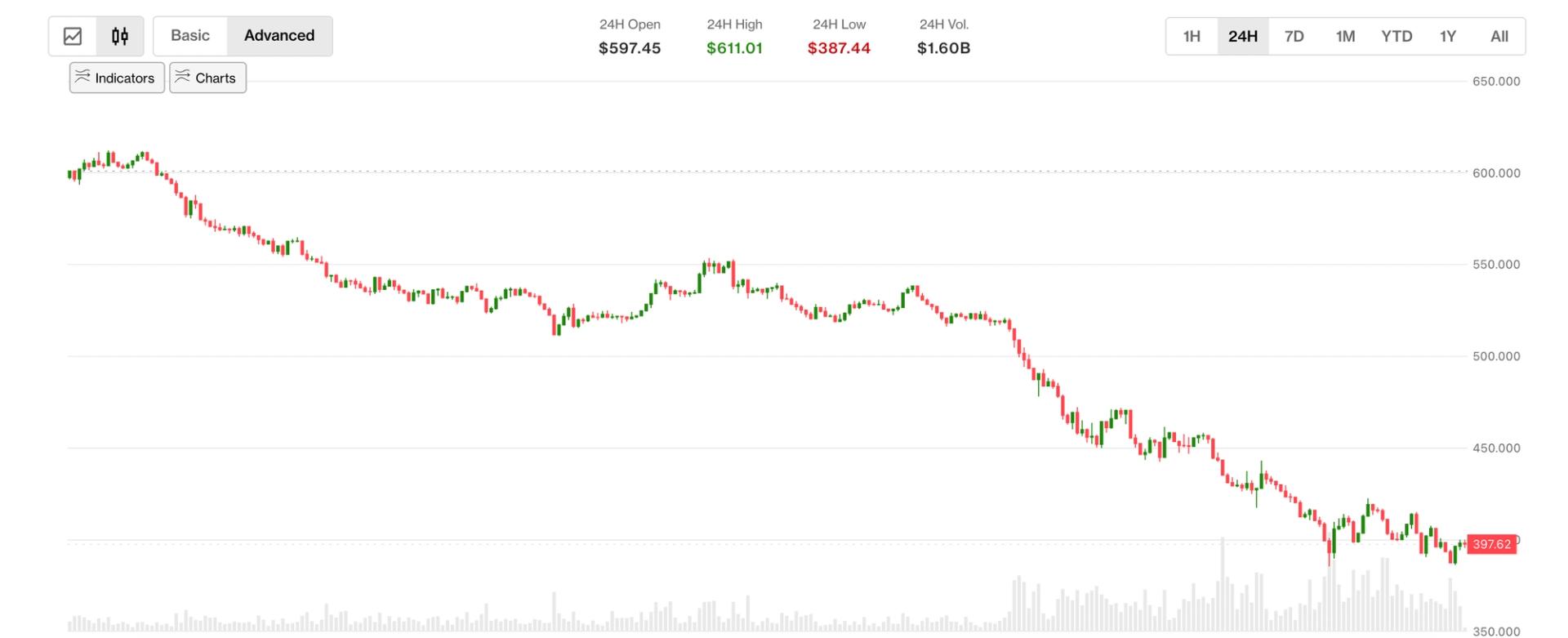
Here's the disconnect: despite all that buying, Bitcoin is trading back around $63,000 — roughly where it was before the ETF wave hit. Julio Moreno at CryptoQuant notes that overall Bitcoin demand is contracting at 232,000 BTC per month. That's tied to the current correction.
Investors' average cost basis sits around $53,000, so the market isn't in panic territory. But the demand drop explains why supply absorption hasn't pushed price higher.
The Changing Holder Profile
Ki Young Ju sees the 6-month-to-2-year cohort's growing share as evidence that short-term holders are slowly becoming long-term ones. But he's frank about the trade-off: this institutional-driven accumulation may dilute Bitcoin's original cypherpunk values.
In the previous cycle, Bitcoin bottomed once that same cohort reached 68% of realized cap. We're at 53% now, suggesting more room for this rotation to play out before a floor forms.
Next Cycle Depends on Liquidity
Ki Young Ju expects another upward cycle, but with a condition: the transfer of ownership must eventually generate fresh liquidity. If institutions and new holders buy and hold without trading, that liquidity won't come. The market's next move hinges on whether these new participants begin to transact — or just sit.