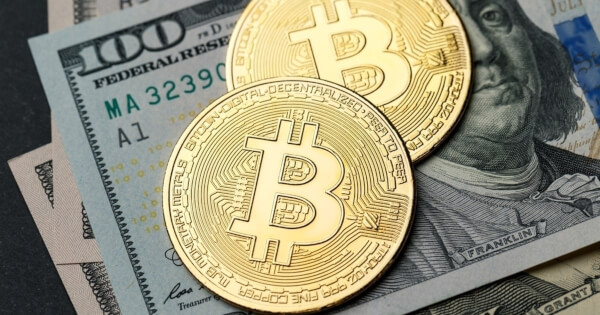
The United States imposed a naval blockade in the Strait of Hormuz on Tuesday, escalating tensions with Iran and sending a shockwave through cryptocurrency markets. Bitcoin prices swung sharply as traders priced in the risk of a broader conflict, with the digital asset falling several percentage points before recovering partially. The move underscores how quickly crypto markets now respond to geopolitical uncertainty — often outpacing traditional assets.
How Bitcoin reacted to the blockade
Within minutes of the news breaking, Bitcoin’s price dropped sharply on major exchanges. The sell-off was more pronounced than moves in gold or the S&P 500, which showed only modest declines. Cryptocurrency markets are reacting more rapidly to geopolitical uncertainty compared to traditional financial markets, according to the data available. The volatility hit just as Asian trading volumes were picking up, amplifying the moves.
The Strait of Hormuz factor
The Strait of Hormuz is a critical chokepoint for global oil shipments. Any disruption there threatens energy prices and, by extension, inflation expectations — a key driver for Bitcoin’s perceived store-of-value narrative. The US blockade, announced by the Pentagon earlier Tuesday, adds a new layer of uncertainty to an already fragile geopolitical landscape. Bitcoin’s price swung roughly 6% in the hours after the announcement, a move that traders described as unusually fast even by crypto standards. The timing isn't great for a market already on edge.
What comes next
Bitcoin’s volatility is expected to continue as long as the blockade remains in effect. No diplomatic resolution has been announced, and both the US and Iran have signaled they are prepared for a prolonged standoff. For crypto traders, that means more sharp swings ahead — and a reminder that macro events can hit digital assets just as hard as stocks or bonds.