Executive Summary
Cryptocurrency markets faced immediate downward pressure following reports of intensified protests in Tel Aviv and a collapse in ceasefire probabilities. Trading algorithms and institutional desks reacted swiftly to intelligence indicating ceasefire odds have deteriorated to approximately 1%, signaling a near-zero likelihood of a diplomatic resolution in the immediate future. This geopolitical friction has triggered a risk-off environment, dampening sentiment across major digital assets including Bitcoin and Ethereum.
What Happened
Streets in Tel Aviv filled with demonstrators as regional tensions reached a critical boiling point this week. The escalation coincides with a sharp revision in conflict resolution forecasts, where market-based prediction models now place the probability of a ceasefire at roughly 1%. This statistical drop confirms that short-term diplomatic channels have effectively stalled.
The reduction in ceasefire odds removes a key pillar of stability that traders had hoped would support broader risk assets. Instead of de-escalation, the region faces prolonged hostilities. Market participants interpret this stagnation as a signal for extended uncertainty, prompting immediate repositioning in volatile asset classes. The crypto sector, increasingly correlated with macro geopolitical stability, absorbed the shock within minutes of the data becoming public.
Key players in the intelligence community note that the likelihood of a near-term diplomatic breakthrough has diminished significantly. Without a clear path to de-escalation, capital flows are moving away from high-beta assets. The protests themselves serve as a visible indicator of internal pressure, compounding the external regional threats that already weigh on investor confidence.
Why This Matters
For Traders
Immediate liquidity conditions are tightening. The shift to risk-off means leverage positions face higher liquidation risks. Short-term volatility will likely remain elevated as headlines develop. Traders should monitor exchange inflows closely, as sustained inflows suggest further downside pressure before a bottom forms.
For Investors
Long-term holders face a test of conviction. Geopolitical shocks often create temporary dislocations in price that do not reflect network fundamentals. However, prolonged conflict can delay institutional adoption timelines. Investors should assess their exposure to high-beta altcoins which may suffer disproportionate losses compared to Bitcoin during macro uncertainty.
What Most Media Missed
General coverage focuses on the existence of protests, but the critical data point is the specific probability metric of the ceasefire dropping to 1%. This is not merely sentiment; it is a quantified collapse in diplomatic expectation. Markets price in probabilities, and a move from even modest odds to near-zero triggers algorithmic rebalancing. Most reports overlook how this specific statistical threshold acts as a trigger for automated risk management systems in crypto derivatives markets.
What Happens Next
Short-Term Outlook
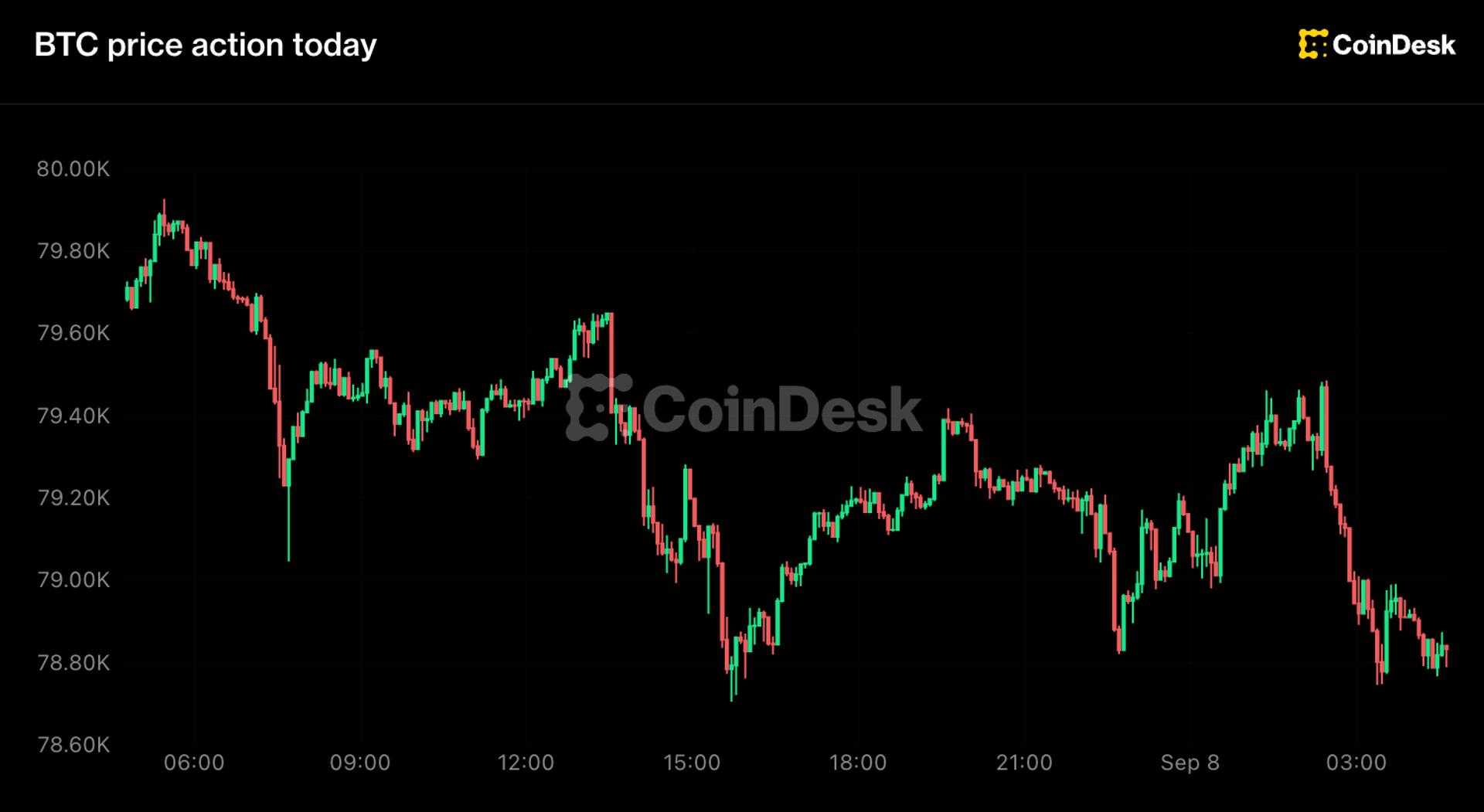
Over the next 24 to 72 hours, expect continued volatility as the market digests further developments from the region. If ceasefire odds remain stuck at current levels, Bitcoin may test the $92,000 support zone. A breach of this level could accelerate selling toward lower liquidity pockets. Traders should watch for any sudden spikes in stablecoin market cap, which would indicate capital fleeing volatile assets.
Long-Term Scenarios
In a bear case, prolonged regional conflict keeps risk appetite suppressed for months, delaying potential ETF inflows and institutional accumulation. In a bull case, if diplomatic channels reopen unexpectedly, the relief rally could be sharp given the oversold conditions. The market is currently pricing in the worst-case scenario, leaving room for upside surprise if tensions de-escalate.
Historical Parallel
Similar market reactions occurred during the initial escalation of the Ukraine conflict in early 2022. Risk assets initially sold off sharply as uncertainty peaked. However, once the scope of the conflict became clearer, markets stabilized and eventually decoupled from the headline risk. The current setup mirrors that initial shock phase, where uncertainty commands a premium and liquidity retreats to safety.