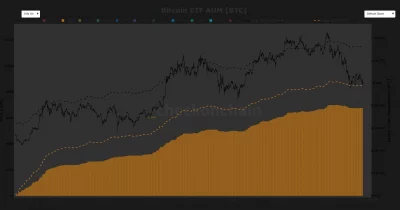
Bitcoin dropped to its lowest level since April 13 on Thursday after the U.S. launched airstrikes in the Hormuz region, stoking fresh inflation concerns that sent risk assets reeling. The sell-off pushed ether below $2,000 and wiped out nearly $900 million in leveraged long positions across the crypto market, according to data tracked by Coinglass.
Why markets tanked
The catalyst was clear: U.S. airstrikes in the strategic Hormuz waterway, a critical chokepoint for global oil shipments. Traders interpreted the strikes as a sign that the White House is willing to escalate military action in the region, which could disrupt energy supplies and reignite inflationary pressure. Crypto, still treated by many institutional desks as a risk-on bet, sold off in tandem with equities and oil futures.
The numbers
Bitcoin hit an intraday low near $28,400, its weakest reading in about six weeks. Ether fell as low as $1,980, breaking below the psychologically important $2,000 mark for the first time this month. The $894 million in long liquidations — the largest single-day flush in weeks — suggests leverage had built up on the bullish side ahead of the news, and the speed of the move caught many overextended traders off guard.
What happens now
The immediate focus is on whether the Hormuz strikes escalate into a broader conflict. The Pentagon has not announced a timeline for further operations, but oil markets are already pricing in disruption risk. For crypto, the next big test is Friday's U.S. PCE inflation report — if it comes in hot, the sell-off could deepen. If it's cooler, some of today's losses might reverse. Either way, the geopolitical wildcard just got a lot bigger.