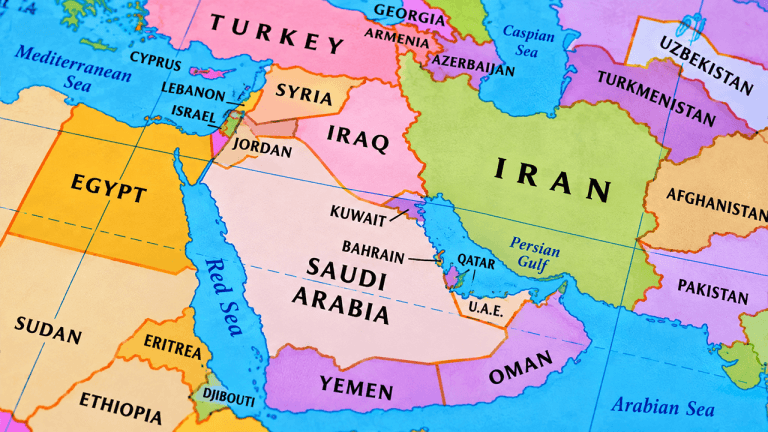
The US and Iran agreed this week to extend their early-April ceasefire for another 60 days, opening a window for nuclear talks and a potential deal to reopen the Strait of Hormuz. Bitcoin held near the mid-$76,000s after US self-defense strikes in southern Iran targeting missile launch sites and mine-laying boats, with CENTCOM saying it was still showing restraint. For crypto traders, the ceasefire extension reads as a net positive: lower oil prices ease inflation anxiety, soften safe-haven demand for the dollar, and give risk assets like Bitcoin room to breathe.
Bitcoin's Oil-Sensitive Rally
Earlier in May, Bitcoin climbed toward $82,000 as West Texas Intermediate crude fell roughly 6% on peace-deal hopes. That rally reversed on May 18, when President Trump warned Iran that “the clock is ticking,” pushing Brent crude briefly above $112 and knocking Bitcoin back to $76,500. The pattern is clear: when geopolitical tensions spike oil, Bitcoin tends to slide; when peace prospects rise, it rallies. The current ceasefire extension is the kind of de-escalation that could support another leg higher — assuming the talks hold.
Why Oil Prices Matter for Crypto
The link between crude and crypto isn't direct, but it runs through macro sentiment. Brent crude rebounded after a recent decline, and equities traded mixed as the market digested the strike news. Lower oil prices reduce the drag on global growth, ease inflation fears that keep central banks hawkish, and diminish the dollar's appeal as a safe haven. For Bitcoin, that means a friendlier risk environment. The Energy Information Administration reports that 20.9 million barrels per day moved through the Strait of Hormuz in the first half of 2025 — roughly a fifth of global petroleum consumption. Any disruption there reverberates instantly through energy markets and, by extension, crypto.
The 60-Day Window
The ceasefire extension creates a two-month negotiation period. According to the Nikkei report, the US and Iran are discussing a plan to reopen the Strait of Hormuz roughly 30 days after a final deal. But an Iranian government spokesperson told The Guardian that a deal is “not imminent,” and even if the strait reopens, a return to normal oil flows could take months. Pre-war shipping traffic averaged 125 to 140 daily passages through Hormuz; recently, only several tankers have crossed. That gap between potential and reality leaves plenty of room for volatility.
Hormuz at a Trickle
Before the conflict, the strait handled one-quarter of the world's seaborne oil trade. Now traffic is a fraction of that. If the talks fail, oil could spike again, and Bitcoin would likely feel the pressure. If they succeed, the 30-day reopening timeline gives markets a concrete milestone to watch. Either way, crypto traders are glued to headlines from the Gulf — because in this market, oil is the canary.