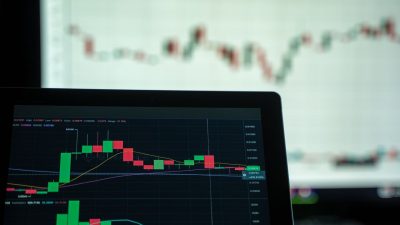
As crypto betting continues to grow, the choice between Bitcoin and USDT is more than a preference — it's a strategy. Bitcoin, the largest cryptocurrency by market value, is volatile by design. USDT, a stablecoin pegged to the dollar, stays close to $1. For bettors, that difference matters every time they place a wager. Dexsport, a platform that supports over 40 cryptocurrencies across 20 blockchain networks, sees both assets used heavily — and the trade-offs are clear.
Why volatility is a problem for bettors
Bitcoin's price swings make bankroll management difficult. When the value of your bankroll changes with the market, it's hard to separate betting performance from market performance. A winning streak could be wiped out by a Bitcoin dip, or a losing streak masked by a price rally. That uncertainty complicates session planning, profit and loss calculations, and odds comparison. For anyone who wants to track their edge over time, Bitcoin's volatility adds noise.
USDT's predictable value
USDT solves that problem. Because it's designed to stay near $1, your bankroll value stays predictable. That makes it easier to plan sessions, manage risk, calculate profits and losses, and compare odds across different books. For regular bettors who carefully track wins and losses, USDT removes the crypto market from the equation. It's a tool for betting, not for speculation.
Network choices matter
USDT exists on multiple blockchains — TRON (TRC20), Ethereum (ERC20), BNB Smart Chain, Polygon, and Solana. TRC20 is popular because fees are low and settlement is quick. Bitcoin transactions, by contrast, can get expensive during busy periods. One key rule: always use the same network for sending and receiving USDT. Sending on one chain and receiving on another can result in lost deposits.
Who should use which
Bitcoin suits users who already hold BTC, are comfortable with volatility, prefer keeping assets in Bitcoin, and make only occasional deposits. USDT suits users who want a predictable bankroll, bet regularly, carefully track wins and losses, and prefer to avoid crypto market fluctuations. Many experienced players use both — long-term savings in Bitcoin and smaller amounts in USDT for active betting.
Dexsport's multi-chain approach
Dexsport supports deposits and withdrawals in both assets, along with dozens of others, across 20 blockchain networks. The platform uses wallet-based registration and does not require mandatory KYC for most users. That flexibility means bettors can choose the asset that fits their style — or switch between them as needed. The trade-off between Bitcoin's appreciation potential and USDT's stability isn't going away, but having both options makes the decision easier.