A $116 million Bitcoin wallet exploit has rattled the self-custody crowd this week, putting the practice under fresh scrutiny. The attack, which targeted a single wallet, is a stark reminder that holding your own keys comes with its own set of risks. Yet the broader market isn't flinching: Bitcoin ETF inflows are rebounding, and major players are still making big moves.
The exploit and its fallout
The exact method of the exploit hasn't been fully disclosed, but the scale is clear — $116 million in Bitcoin walked out of a wallet that was supposed to be under the owner's control. For those who've championed self-custody as the only safe way to hold crypto, this is an uncomfortable data point. It doesn't mean self-custody is broken, but it does mean the practice isn't bulletproof. The incident has sparked a wider conversation about how individuals and institutions secure their own wallets, from multi-sig setups to hardware security modules.
ETF inflows bounce back
Despite the scare, institutional money is returning. Bitcoin ETF inflows, which had cooled off in recent weeks, are picking up again. The rebound suggests that the exploit, while serious, hasn't shaken the conviction of investors who see Bitcoin as a long-term asset. It's a reminder that one-off hacks, even large ones, rarely move the needle on the broader market narrative.
Strategy eyes more Bitcoin
Strategy, the company formerly known as MicroStrategy, is reportedly considering adding to its already massive Bitcoin hoard. The firm has been the most vocal corporate buyer of Bitcoin, and another purchase would signal that the exploit hasn't dampened its appetite. If anything, the dip in sentiment might be seen as a buying opportunity. The company hasn't confirmed the move yet, but the signal is there.
Miners pivot to AI
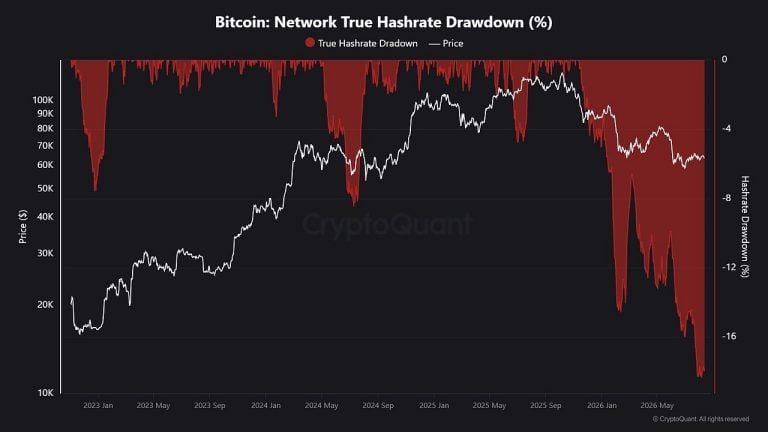
Meanwhile, Bitcoin miners are chasing a different kind of gold rush. Several mining firms are pursuing billions of dollars in AI-related deals, repurposing their high-performance computing infrastructure for machine learning workloads. It's a pragmatic shift — mining margins are tight, and AI demand for compute is booming. The pivot could reshape the mining industry, but it also raises questions about how much of the network's hash rate will stay committed to Bitcoin.
The next few weeks will show whether the exploit leads to lasting changes in how wallets are secured, or if it fades into the background noise of crypto's constant security battles. For now, the market is moving on — but the questions about self-custody aren't going away.