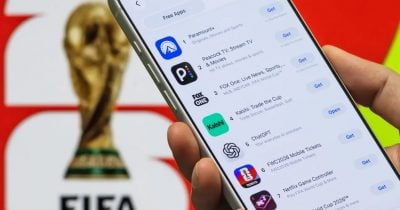
With the 2026 World Cup underway in Mexico, fans are voicing frustration over steep ticket prices and limited engagement opportunities — and the blockchain-based solutions meant to fix those problems aren't delivering. Despite a wave of tokenized ticketing platforms and fan token launches, the gap between promise and reality has left many local supporters on the sidelines.
High costs, low adoption
Mexican fans have raised concerns that the cost of attending matches is simply too high. Blockchain platforms that were supposed to offer cheaper, more transparent secondary markets or loyalty rewards have not materially changed the pricing landscape. Ticket prices remain elevated, and the much-hyped fan tokens have seen little real-world use among the broader fanbase. The result is that many locals are being priced out of games in their own country.
Why the tech didn't work
The underlying issue appears to be adoption. While several blockchain projects secured partnerships with organizing bodies, the actual number of fans using digital wallets or tokenized tickets is low. Without a critical mass, the secondary market hasn't become more efficient, and the touted perks — like exclusive access or discounts — have failed to materialize for most. The technology, in short, hasn't bridged the gap between the hype and the real-world economics of a mega-event. The World Cup was seen as a high-profile test case for blockchain in sports. But the outcome so far suggests that technology alone can't solve deep structural issues like supply and demand for tickets.
Stakes for Mexico
This failure matters beyond fan disappointment. The World Cup was expected to bring significant cultural and economic benefits to Mexico. If local engagement stays low, those benefits could be blunted. A World Cup where the stands are filled mostly with wealthy international tourists and corporate sponsors, rather than passionate local supporters, changes the atmosphere and the economic spillover for local businesses. The blockchain solutions were supposed to help democratize access. So far, they haven't.
No official comment has been provided by the tournament's organizers or the blockchain platforms involved. For now, fans are left with the same old problem: a great event they can't afford to attend.