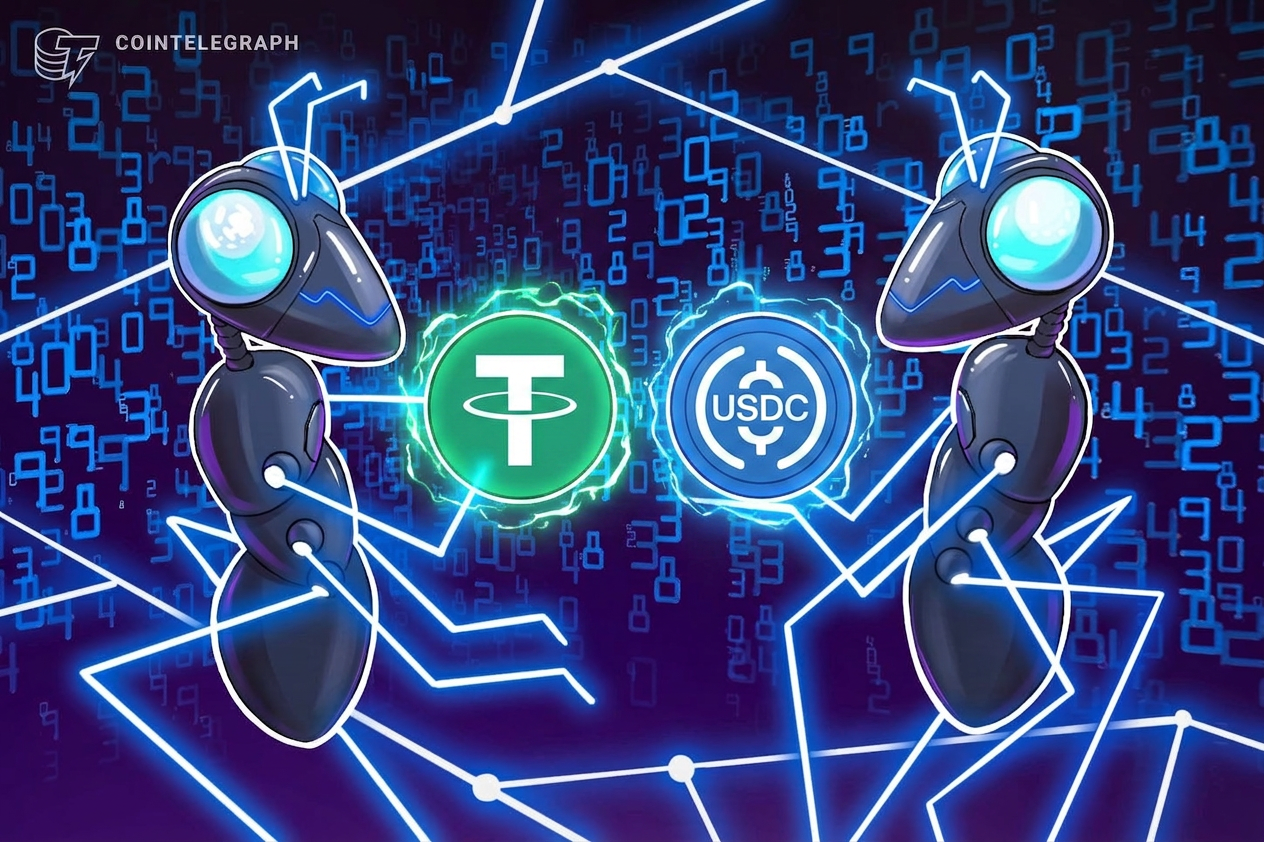
Bolivia has taken a significant step toward integrating stablecoins into its financial system, recognizing Tether's USDT as a legitimate digital asset amid a severe dollar shortage that has gripped the country. The move comes as the government scrambles for alternative channels to ease currency access. Separately, a wave of Bitcoin miners that pivoted into AI computing is facing a tougher reception from investors, who are now demanding clearer revenue timelines and proof of profitability.
Bolivia’s dollar dilemma
For months, Bolivia has struggled with a scarcity of U.S. dollars, a problem that has slowed imports and fueled a black market for foreign currency. The central bank’s foreign reserves have dropped to levels not seen in over a decade, pushing officials to explore unconventional solutions. Recognizing USDT — a token pegged 1:1 to the dollar — is part of that search. The move effectively allows businesses and individuals to use Tether as a proxy for the greenback in certain transactions, bypassing the strained official banking system.
USDT gets official recognition
Government sources confirmed this week that the financial regulator issued a resolution that classifies USDT as a recognized digital asset for settlement purposes. The decision doesn't make Tether legal tender, but it does clear the way for regulated exchanges and payment processors to offer USDT-based services. The hope is that this will relieve some pressure on the physical dollar supply and curb the premium on the black market. Critics worry about the risks of relying on a private stablecoin, but for now, the government is leaning into the experiment.
Miners’ AI ambitions tested
Across the industry, another story is playing out. Several publicly traded Bitcoin mining companies that spent heavily on repurposing their data centers for AI workloads are now facing a new wave of skepticism from investors. After a flurry of announcements in 2025 about GPU clusters and cloud-service deals, the first quarter 2026 earnings reports showed that AI revenue remains a small fraction of overall income for most miners. Margins from hosting are thin, and competition from specialized cloud providers is fierce.
What investors are watching
Investor calls have shifted from excitement about the pivot to pointed questions about when the AI business will become a meaningful profit driver. One major miner recently revised its 2026 AI revenue guidance down by nearly 30%, and its stock took a hit. Analysts following the sector note that the capital expenditure required to retrofit mining facilities is steep, and the payoff is still uncertain. Shareholders are also looking at the price of Bitcoin: if it stays subdued, the mining side — still the core business — will drag on earnings, making the AI bet even more of a gamble. The next earnings season, due in late July, will be a key test of whether miners can show any real traction.