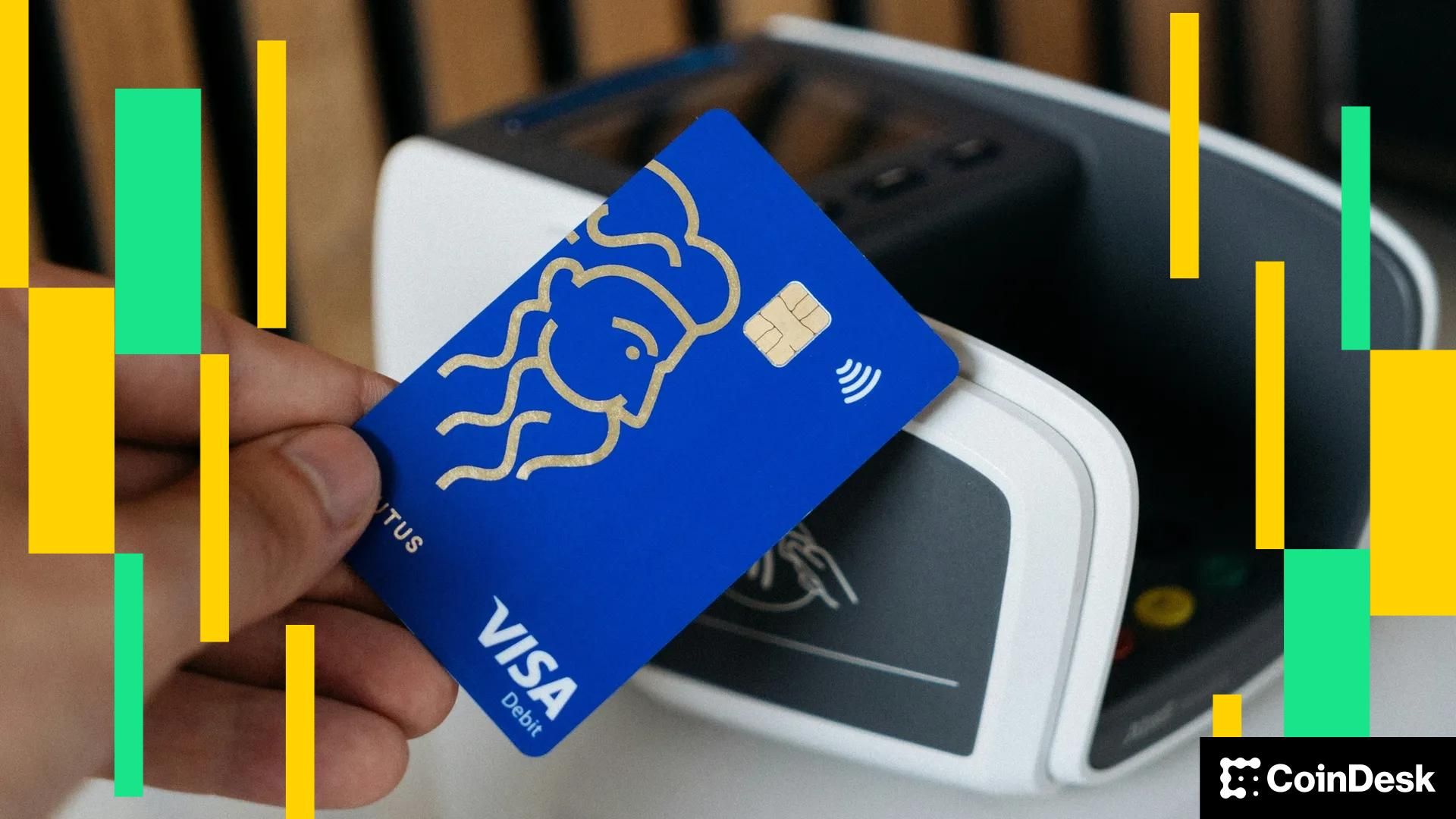
Bridge Partners Lead Bank for Global Stablecoin Visa Cards
Bridge has officially announced a strategic collaboration with Lead Bank to revolutionize digital payments. This partnership focuses on enabling businesses and fintech companies to issue stablecoin-backed Visa cards. The initiative aims to expand access to these financial tools across more than 100 countries worldwide. Such a move signals a major shift in how consumers interact with cryptocurrency in everyday scenarios.
How the Partnership Works
Lead Bank plays a critical role as a participant in Visa's stablecoin settlement pilot program. This status allows the bank to handle transactions involving digital assets directly on the Visa network. Bridge leverages this infrastructure to provide seamless integration for its clients. Fintechs can now connect their platforms to traditional payment rails without building complex banking relationships from scratch. Does this mean crypto spending is finally becoming mainstream?
The technical integration simplifies the process for developers. Companies can embed card issuance features directly into their existing applications. Users receive cards linked to their stablecoin holdings rather than traditional fiat deposits. This reduces the need for multiple currency conversions during transactions. Efficiency gains could lower costs for both merchants and consumers significantly.
Expanding Financial Access Globally
The goal to reach over 100 countries highlights a commitment to financial inclusion. Many regions lack robust banking infrastructure but have high mobile phone penetration. Stablecoin cards offer a bridge between digital wealth and physical commerce. Residents in underserved markets can access global payment networks instantly. Why should geography limit economic participation anymore?
Cross-border payments often suffer from high fees and slow settlement times. Traditional systems like SWIFT can take days to clear international transfers. Stablecoin settlements occur nearly instantly on blockchain networks. This speed benefits freelancers and businesses operating across borders. The partnership addresses a pain point affecting millions of workers globally.
The Role of Stablecoins in Daily Spending
Stablecoins maintain a peg to fiat currencies like the US dollar. This stability removes the volatility risks associated with Bitcoin or Ethereum. Consumers feel more confident spending assets that hold predictable value. Merchants also prefer receiving payments that do not fluctuate wildly between transaction and settlement. Trust remains the cornerstone of widespread adoption.
Market data suggests stablecoin market capitalization has grown exponentially in recent years. Institutions are increasingly viewing digital dollars as viable treasury assets. This partnership validates that trend by connecting holdings to point-of-sale terminals. Users no longer need to sell crypto to fiat before making purchases. The friction between holding and spending continues to dissolve.
Regulatory Compliance and Security
Working with a regulated bank ensures adherence to strict financial laws. Lead Bank manages Know Your Customer (KYC) and Anti-Money Laundering (AML) checks. This compliance layer protects the ecosystem from illicit activities. Fintechs partnering with Bridge inherit these security standards automatically. Can innovation thrive without compromising safety?
Regulatory clarity remains a hurdle for many crypto projects worldwide. Aligning with established banking partners mitigates legal risks. Visa's involvement further adds a layer of legitimacy to the operation. Governments are more likely to support initiatives involving licensed financial institutions. This approach paves the way for smoother regulatory approval in new markets.
Future Outlook for Digital Payments
This collaboration sets a precedent for future crypto-banking integrations. Other financial institutions may follow suit to remain competitive. The line between traditional finance and decentralized finance continues to blur. Consumers will eventually view digital asset spending as normal. What will the next phase of this evolution look like?
Bridge and Lead Bank have positioned themselves at the forefront of this change. The availability of stablecoin-backed Visa cards will likely increase demand. As infrastructure improves, transaction costs should decrease further. The global economy moves closer to a unified digital payment standard. This news marks a significant milestone for the industry.
Conclusion
The collaboration between Bridge and Lead Bank represents a leap forward for digital finance. By enabling stablecoin-backed Visa cards in over 100 countries, they remove barriers to entry. Businesses gain powerful tools to serve customers globally without legacy constraints. The integration of blockchain technology with established payment networks proves viable. Stakeholders should watch this space closely as adoption accelerates.