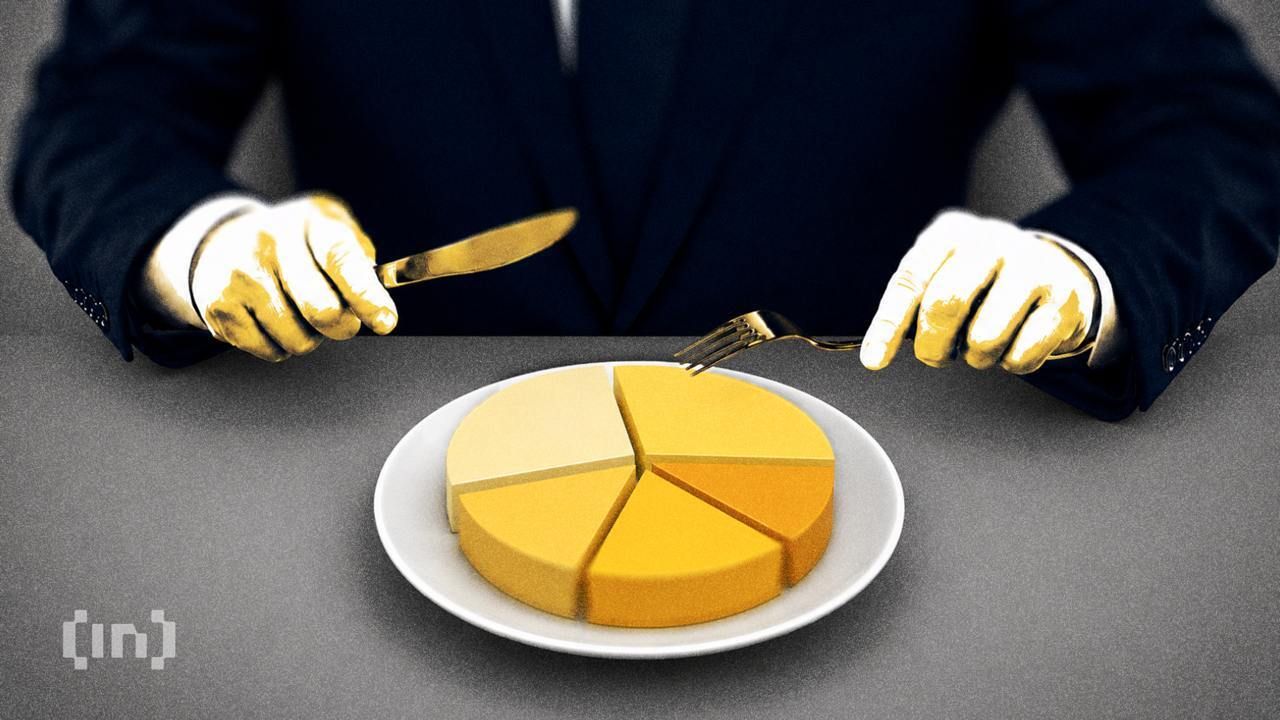
A California ballot initiative that would impose an annual wealth tax on billionaires—counting their crypto portfolios alongside stocks, real estate, and other assets—has officially qualified for the November election. The measure, championed by progressive lawmakers, would levy a 1.5% tax on net worth above $1 billion and a 1% tax on wealth between $50 million and $1 billion. For the state's roughly 200 billionaires, that means a direct hit to their cryptocurrency holdings, which have become a significant slice of many ultra-high-net-worth portfolios.
Crypto in the crosshairs
This isn't the first time a wealth tax has been floated in Sacramento, but it is the first to explicitly rope in digital assets. The language of the proposal defines "taxable wealth" to include "all forms of property, tangible and intangible, including but not limited to cryptocurrencies, non-fungible tokens, and other digital representations of value." That's a departure from earlier drafts, which left crypto in a gray area. Supporters say it closes a loophole—billionaires can't hide their bags on a hardware wallet and pretend they don't exist. Critics call it a confiscatory grab that ignores how volatile crypto prices can swing from year to year.
The risk of exit
If the tax passes, California's billionaire residents face a brutal math problem. A crypto-heavy portfolio worth, say, $2 billion would trigger a $15 million annual tax bill, even if the market takes a dive. That could force liquidation of digital assets during downturns, amplifying sell pressure. It might also push the wealthiest to leave. Texas, Florida, and Nevada have no state income or wealth tax—and they're already seeing an influx of crypto money. A few high-profile relocations would dent California's tax base and send a signal that the state is hostile to crypto wealth. The timing isn't great: California's budget is already strained, and a mass exit could widen the deficit rather than close it.
The measure now heads to a campaign season that will be dominated by TV ads and dueling economic studies. Both sides are already raising money. The ballot language is set, and the Secretary of State has certified the signatures. Polling will start to trickle out over the summer. For crypto holders in California who aren't billionaires, the tax doesn't touch them directly—but the ripple effects on market sentiment and institutional custody decisions could be felt far beyond the state's borders. The question is whether voters see this as fairness or folly when they step into the booth in November.