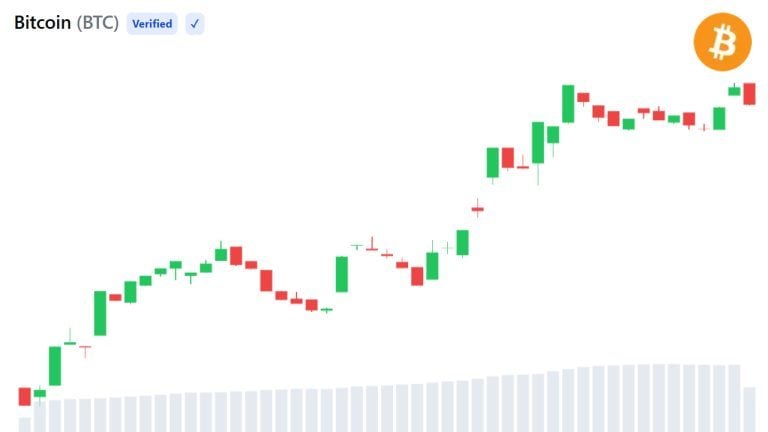
The Chicago Mercantile Exchange (CME) launched round-the-clock bitcoin futures trading this week, shutting the door on the so-called weekend gap that has long puzzled traders. The move, effective May 28, 2026, means CME bitcoin futures now trade continuously from Sunday evening through Friday afternoon—no more Monday morning price jumps caused by a two-day trading halt.
But not all gaps are gone. Data shows three CME gaps remain unresolved under the new schedule. Those gaps, left over from previous weekend breaks, haven't been filled yet, and the market hasn't decided how—or when—they will close.
Why the gap mattered
CME bitcoin futures used to pause trading at 5 p.m. Eastern on Friday and resume at 6 p.m. Sunday. During that 49-hour stretch, spot bitcoin kept trading on other exchanges, often moving sharply. When futures reopened, the price frequently gapped—opening at a level far from Friday's close. Traders called it the weekend gap, and it made hedging and arbitrage tricky.
With 24/5 trading now live, that gap is gone. The futures contract can react to weekend price moves in real time. It's a structural change that brings CME closer to the round-the-clock nature of crypto itself.
The three that remain
Despite the new schedule, three historical gaps haven't filled. A gap occurs when the futures open price differs from the previous close, leaving a blank area on the chart. Some traders see gaps as magnets—prices eventually return to cover them. Others argue they're irrelevant once the trading schedule changes.
The three unresolved gaps date to earlier this year, before the schedule shift. They're still sitting on the chart, unfilled. No official word from CME on whether those gaps will ever close, but the market will likely decide on its own.
What happens now
With the weekend gap eliminated, focus shifts to how continuous trading changes liquidity patterns. Will the Monday morning spike vanish? Possibly. But the three remaining gaps keep the debate alive—gap theory believers are watching closely.
Neither CME nor any trader has offered a public prediction on when those three gaps might fill. For now, the market moves on, with one less structural oddity to worry about.