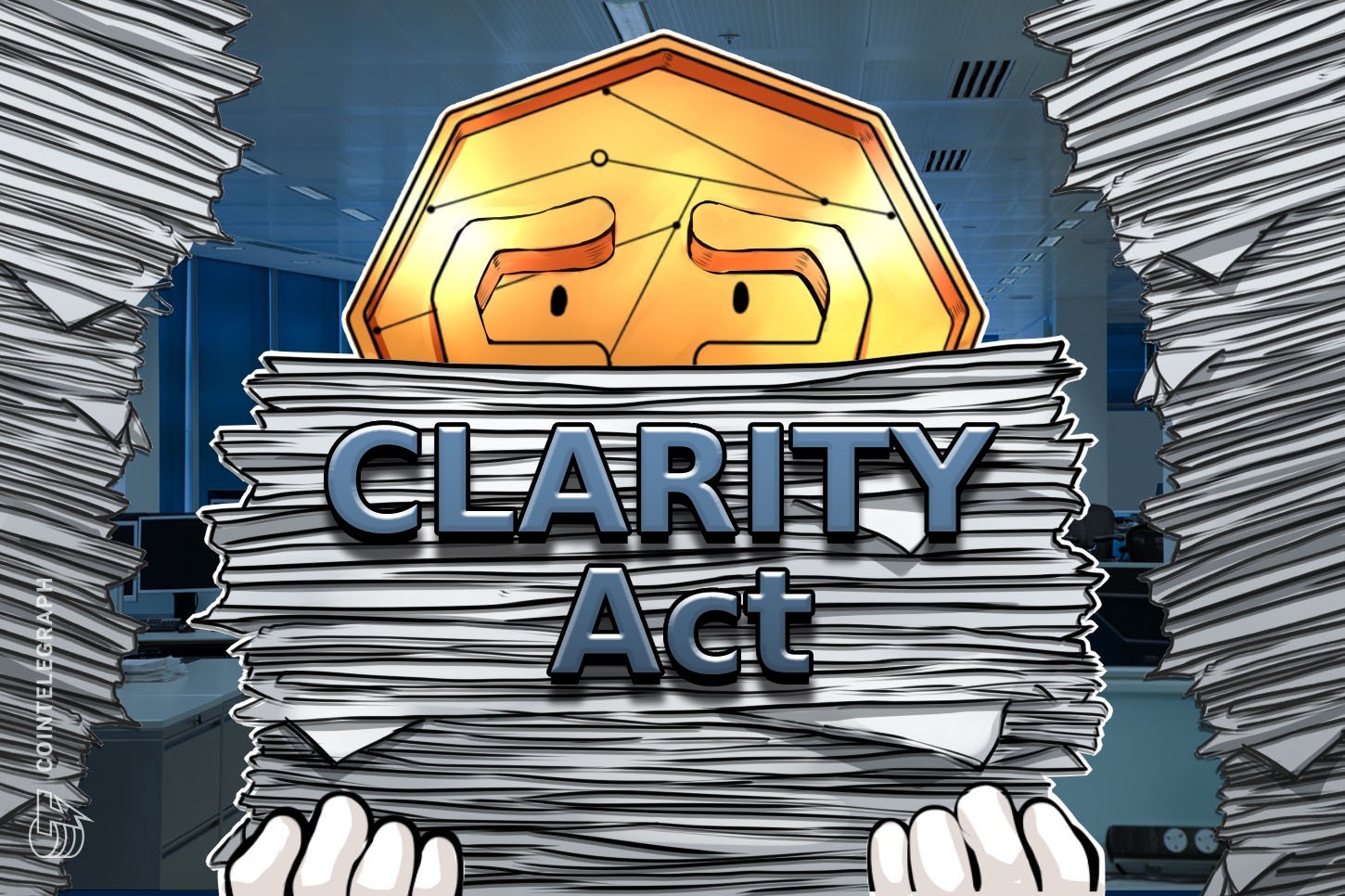
Democratic Senator Catherine Cortez Masto is throwing her weight behind the Clarity Act — but with a key addition. She's backing a set of law enforcement changes that would shield some crypto software developers and firms from prosecution when bad actors use their platforms for illicit activity. The changes have been sent to the White House, and they've already won support from the National Association of Assistant U.S. Attorneys and the National District Attorneys Association.
The Clarity Act is the main vehicle for setting crypto regulation in the U.S. It passed the House last year but has been deadlocked in the Senate throughout 2026. Lawmakers are hoping to get it across the finish line before Congress's August recess.
What the law enforcement changes do
The revisions are narrow but significant. They protect developers and firms from criminal liability for transactions they didn't authorize or facilitate. That's a big deal for open-source projects and decentralized platforms where the code runs without a central operator. The two prosecutors' groups backing the changes signal that law enforcement isn't giving up its ability to go after real bad actors — just that the tools shouldn't sweep up the people building the rails.
Ethics provisions added
The new version of the bill also includes ethics rules. Officials and their families are banned from issuing or promoting crypto. That's a direct response to criticism that the original bill didn't go far enough on conflicts of interest. Some Democrats still think the ethics provisions fall short, but the language is in there now.
Stablecoin concerns from the banking lobby
Not everyone is on board. The banking lobby has raised concerns about stablecoins and the possibility that customers could earn yield on them. That's a flashpoint that could slow things down. Banks don't want to see crypto firms offering products that look like savings accounts without the same regulatory oversight.
Bipartisan support and the path forward
Despite the holdups, the Clarity Act has bipartisan backing. It's been pushed by pro-crypto President Donald Trump, and major institutions like Fidelity and Goldman Sachs are on board, along with crypto lobby groups and some politicians from both parties. But the bill has been stuck in 2026, and the clock is ticking. The Senate needs to act before the August recess or the whole thing could slip into the fall — or worse.
The law enforcement changes are now at the White House. Whether they're enough to break the deadlock is the open question. Lawmakers have a few weeks to find out.