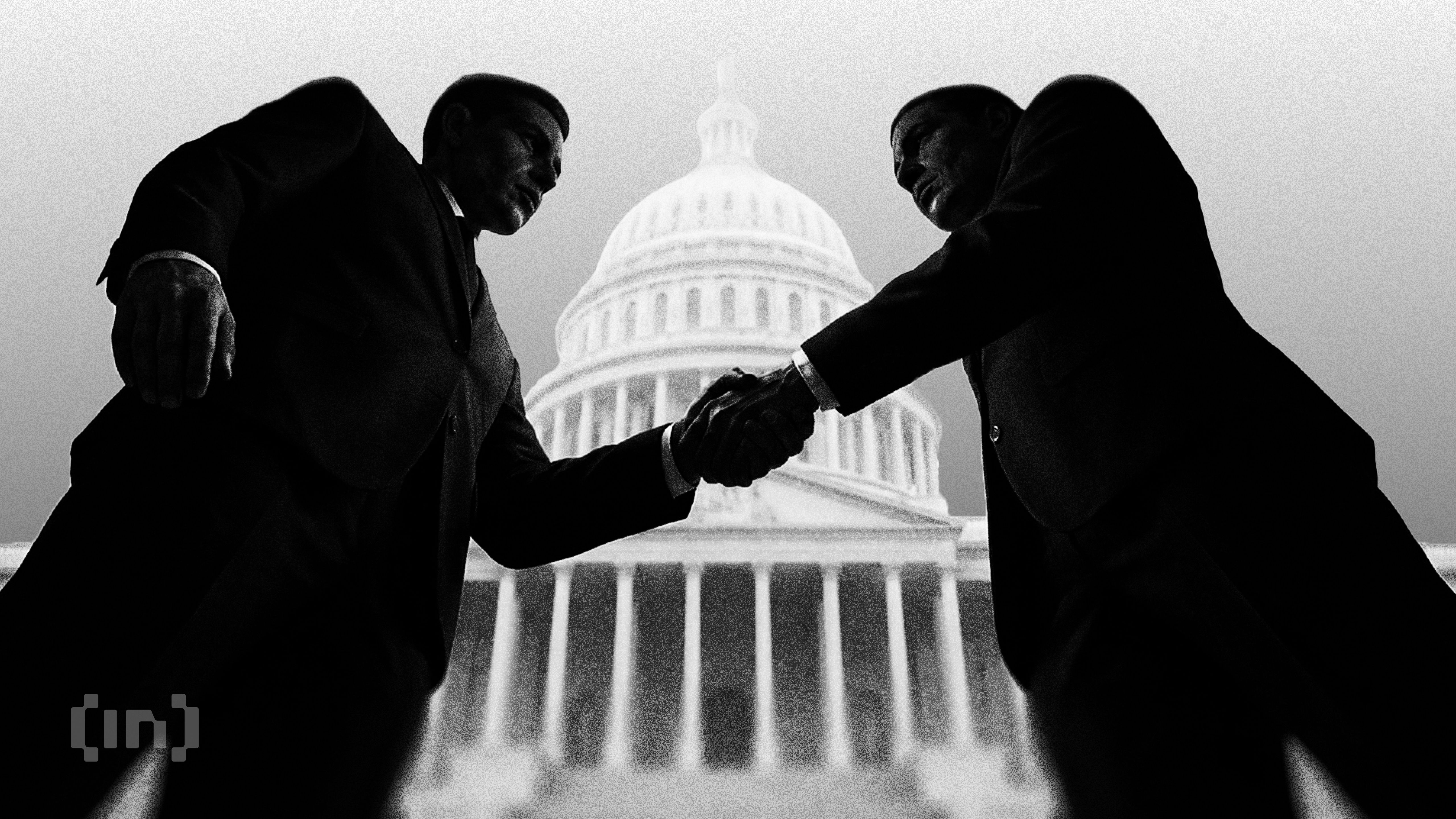
A court filing has accused Tether of using its connection with Howard Lutnick to shape US stablecoin legislation, a charge that has prompted senators to investigate potential conflicts of interest. The allegation, detailed in a legal document submitted as part of ongoing litigation, claims the stablecoin issuer leveraged Lutnick’s influence to steer the drafting of rules governing digital dollar tokens.
The Allegation Against Tether
The filing asserts that Tether, the company behind the USDT stablecoin, worked through Lutnick to affect the content of proposed stablecoin regulations. It does not specify which legislative text or which lawmakers were involved, but it describes a pattern of behind-the-scenes coordination. The document argues that this amounted to an improper attempt to shape policy for private gain.
Howard Lutnick is named as the conduit. The filing does not detail his exact role or relationship with Tether, but it suggests he acted as an intermediary between the company and the legislative process. The accusation has drawn attention because stablecoin legislation has been a contentious issue in Congress, with debates over consumer protections, financial stability, and the role of private digital currencies.
Senators Launch a Probe
In response to the filing, a group of US senators has opened an inquiry into whether Tether’s actions created a conflict of interest. The senators are examining whether Lutnick’s involvement violated ethics rules or gave Tether an unfair advantage in shaping the regulatory landscape. The probe is still in its early stages, and no formal findings have been released.
The senators have requested documents and communications related to the alleged influence campaign. They are also looking into whether any lawmakers or staffers were aware of Tether’s efforts. The investigation could lead to hearings or referrals to ethics committees if evidence of wrongdoing emerges.
What’s at Stake for Stablecoin Rules
The stablecoin legislation in question aims to create a federal framework for digital dollar tokens, addressing issues like reserve requirements, transparency, and consumer protections. Tether, as the largest stablecoin issuer by market capitalization, has a direct interest in how those rules are written. The company has faced scrutiny in the past over its reserve disclosures and has settled with regulators in New York.
If the allegations are proven, they could undermine the credibility of the legislative process and raise questions about whether the final rules were unduly influenced by a single company. The probe also puts pressure on lawmakers to ensure that future stablecoin bills are drafted without private interference.
The court filing is just one piece of a broader legal battle involving Tether. The company has denied any wrongdoing in the past and has not yet commented on this specific allegation. The senators’ investigation is expected to continue over the coming weeks, with a focus on gathering evidence from both Tether and Lutnick.