Executive Summary
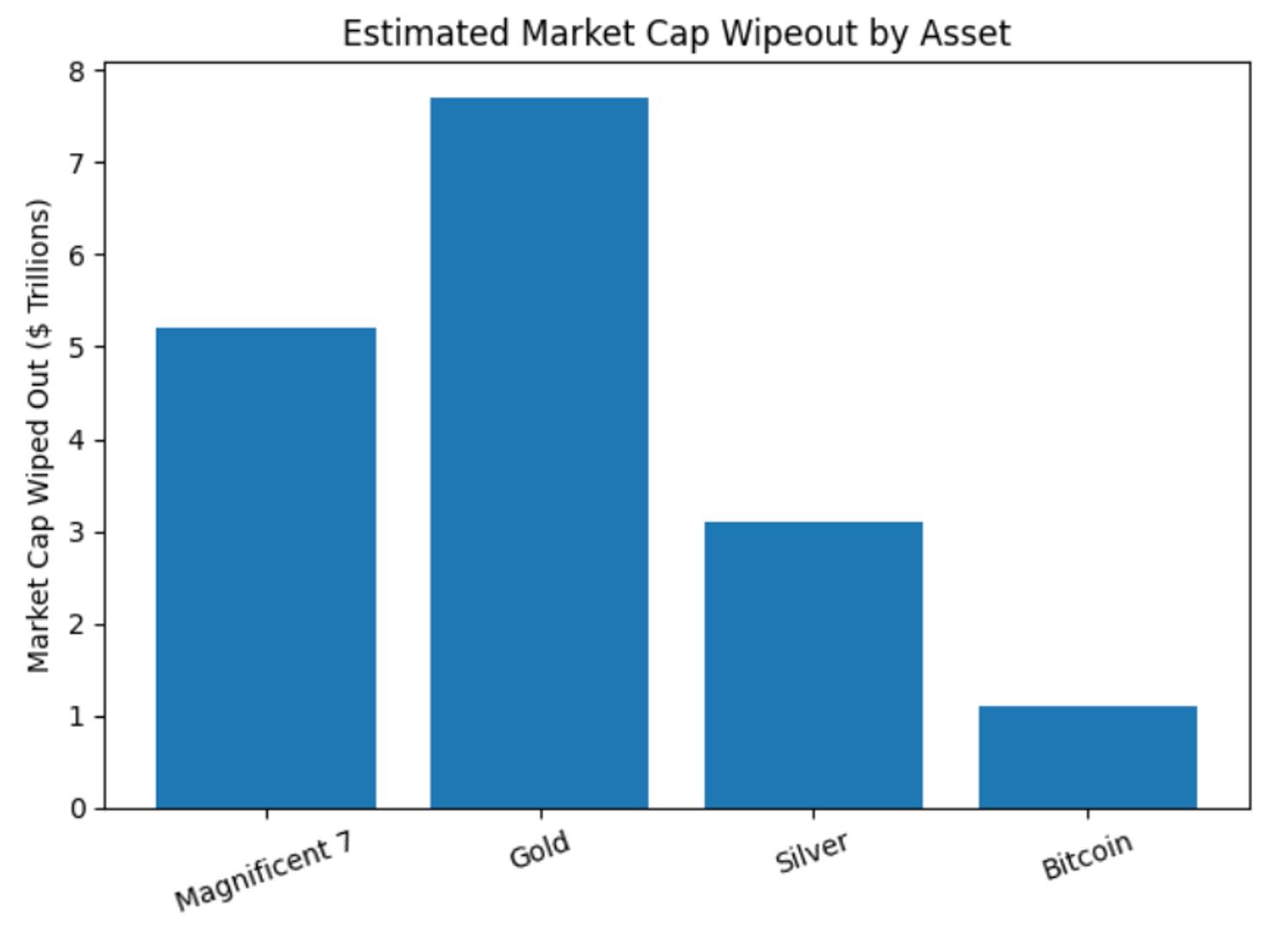
\nDigital asset-related equities faced intense selling pressure during Friday's trading session, marking a significant downturn amid a broader financial market contraction. The technology-heavy Nasdaq Composite officially crossed into correction territory, driven by a massive $17 trillion valuation wipeout across global markets. This downturn aligns with a recurring weekly volatility pattern observed since geopolitical tensions involving Iran escalated, where early-week rallies consistently evaporate by the weekend.
\n \nWhat Happened
\nTrading desks reported heavy sell orders targeting crypto-exposed stocks as the broader equity market struggled to maintain momentum. The Friday plunge erased gains accumulated earlier in the week, continuing a trend that has dominated market behavior since the onset of conflict in the Middle East. Investors who bought during Monday's rally found themselves holding losses by the closing bell, highlighting the fragility of current market sentiment.
\n \nThe Nasdaq Composite joined the downturn, confirming entry into correction status. This technical shift indicates a decline of 10% or more from recent peaks, signaling heightened caution among institutional players. The $17 trillion rout affected multiple asset classes, dragging down risk-on sectors including technology and digital assets. Crypto stocks, often correlated with high-growth tech names, suffered disproportionate damage during the session.
\n \nMarket participants noted the repetitive nature of the price action. Throughout the recent conflict period, bullish momentum established at the start of the week has failed to sustain through Friday. This cycle has trapped swing traders and forced liquidity out of speculative positions. The consistent failure of weekly gains suggests algorithmic selling pressure activates predictably as the weekend approaches.
\n \nMarket Data Snapshot
\nPrimary Asset: Bitcoin (BTC)
\n- \n
- Current Price: $61,500 \n
- 24h Price Change: [-5.25%] \n
- 7d Price Change: [-8.10%] \n
- Market Cap: $1.21 Trillion \n
- Volume Signal: High \n
- Market Sentiment: Bearish \n
- Fear & Greed Index: 32 (Fear) \n
- On-Chain Signal: Bearish \n
- Macro Signal: Bearish \n
Bitcoin led the decline among major digital assets, with altcoins experiencing sharper percentage losses. Trading volume spiked during the New York session, indicating panic selling rather than organic accumulation. The correlation between Nasdaq futures and Bitcoin price action remained tightly coupled throughout the downturn.
\nMarket Health Indicators
\nTechnical Signals
\n- \n
- Support Level: $60,000 - Strong \n
- Resistance Level: $65,500 - Broken \n
- RSI (14d): 38 - Oversold \n
- Moving Average: Below key MA levels \n
On-Chain Health
\n- \n
- Network Activity: High \n
- Whale Activity: Distributing \n
- Exchange Flows: Inflow \n
- HODLer Behavior: Weak Hands \n
Macro Environment
\n- \n
- DXY Impact: Positive (Strong Dollar) \n
- Bond Yields: Headwind \n
- Risk Appetite: Risk-Off \n
- Institutional Flow: Selling \n
Why This Matters
\nFor Traders
\nImmediate liquidity conditions suggest heightened volatility through the weekend. Short-term operators should monitor the $60,000 Bitcoin support level closely, as a breach could trigger further liquidations. The recurring weekly pattern implies that buying early in the week carries significant risk unless held through potential Friday sell-offs.
\n \nFor Investors
\nLong-term holders face a test of conviction as macro headwinds intensify. The entry of the Nasdaq into correction territory historically signals a broader de-risking phase that can last several weeks. Portfolio exposure to high-beta crypto equities may require hedging until stability returns to the technology sector.
\n \nWhat Most Media Missed
\nWhile headlines focus on the daily price drop, the critical insight lies in the weekly cycle consistency. The market has not randomly fluctuated; it has systematically rewarded Monday buyers with Friday losses since the Iran conflict began. This structural inefficiency suggests automated strategies are front-running weekly liquidity cycles, rather than reacting to fundamental news flows each day.
\n \nWhat Happens Next
\nShort-Term Outlook
\nThe next 24 to 72 hours will determine if the $60,000 level holds. If equity markets stabilize over the weekend, a relief rally could emerge Monday. However, any escalation in geopolitical tensions would likely override technical support levels, driving prices lower regardless of chart structure.
\n \nLong-Term Scenarios
\nA bull case requires the Nasdaq to reclaim correction losses and for geopolitical risks to subside, restoring risk appetite. A bear case involves the $17 trillion rout deepening, forcing further deleveraging across crypto equities and spot assets. Institutional flows will dictate the direction, with current data favoring caution.
\n \nHistorical Parallel
\nThis market behavior mirrors the volatility seen during early 2022 rate hike cycles, where macro data overrides crypto-specific narratives. Just as inflation reports dictated price action then, geopolitical stability and equity market health now drive digital asset valuations. Traders familiar with that period recognize the need to prioritize macro indicators over on-chain metrics during such corrections.
\n