Executive Summary
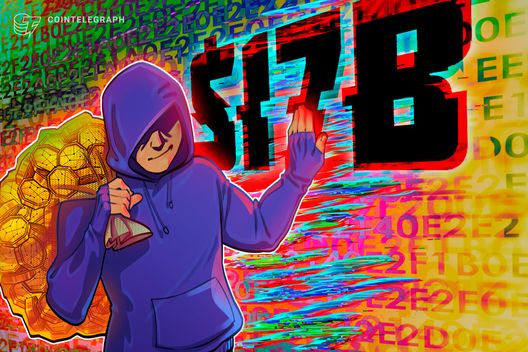
DefiLlama’s latest figures reveal that crypto hackers have siphoned roughly $17 billion from users and protocols over the past decade. The bulk of that damage stems from private‑key compromises rather than classic smart‑contract bugs.
What Happened
Across a range of decentralized finance platforms, attackers have increasingly targeted the credentials that grant direct control over assets. While early incidents often exploited coding errors in smart contracts, recent breaches show a clear pivot toward stealing private keys, phishing, and social‑engineering tactics.
This evolution is reflected in the latest loss statistics: private‑key theft now accounts for the majority of the $17 billion in aggregate damages, eclipsing the losses attributed solely to contract vulnerabilities.
Background / Context
DeFi’s rapid growth has attracted both legitimate users and malicious actors. In the early 2020s, high‑profile smart‑contract bugs—such as re‑entrancy flaws—dominated headlines. Security audits and formal verification tools were developed in response, gradually reducing the frequency of pure code‑based exploits.
At the same time, the ecosystem’s reliance on self‑custody and non‑custodial wallets created a fertile ground for private‑key attacks. Phishing emails, malicious browser extensions, and compromised hardware wallets have become common vectors for stealing the secret keys that unlock blockchain accounts.
Reactions
Industry observers are warning that the shift toward credential‑based attacks demands a re‑evaluation of security priorities. Protocol developers are emphasizing multi‑factor authentication, hardware‑wallet integration, and user‑education campaigns.
Regulators in several jurisdictions have noted the trend in recent statements, highlighting the need for clearer guidelines around user‑level security standards for DeFi services.
What It Means
The data suggests that protecting private keys is now the most critical line of defense for DeFi participants. Even the most rigorously audited smart contracts cannot prevent losses if a user’s key is compromised.
For investors, the findings underscore the importance of adopting best‑practice security habits—such as using hardware wallets, verifying URLs, and avoiding the reuse of credentials across platforms.
For developers, the trend signals a shift in threat modeling. Future audits may need to incorporate assessments of key‑management flows, phishing resistance, and the security of ancillary services that handle authentication.
What Happens Next
DefiLlama’s report is expected to prompt deeper analysis from security firms, who are likely to publish threat‑intel briefs focused on private‑key compromise techniques.
DeFi projects are expected to roll out new authentication layers and to partner with wallet providers that offer built‑in phishing protection. Users can anticipate more frequent security alerts and educational resources aimed at reducing human‑error risks.