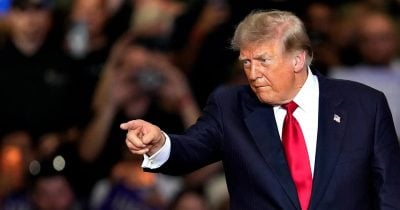
Crypto markets lost roughly $80 billion in value this week as geopolitical tensions escalated following U.S. airstrikes on Iran. Senator Tom Cotton (R-Ark.) publicly backed President Trump’s military action, labeling Iranian leaders “terrorists” in a statement that added to the uncertainty rattling global risk assets.
The $80 billion rout
The selloff hit major tokens across the board. Bitcoin dropped below $55,000 for the first time in two weeks, while ether and other altcoins saw double-digit percentage declines. The total crypto market cap fell from around $2.1 trillion to roughly $2.02 trillion, according to data from CoinGecko. Trading volumes spiked as exchanges reported a surge in liquidations, with over $1.2 billion in leveraged positions wiped out in 24 hours.
The timing isn’t great for an industry already navigating regulatory headwinds and a sluggish summer. The drop erased gains from earlier in July, when a spot ether ETF approval had briefly lifted sentiment.
Cotton’s backing
Cotton, a senior member of the Senate Armed Services Committee, issued a statement Thursday calling the strikes “necessary and proportional” and accusing Iran’s leadership of “state-sponsored terrorism.” He urged the administration to “maintain maximum pressure” on Tehran. The senator’s hawkish stance aligns with Trump’s broader strategy, but it also signals that further military escalation is a live possibility — a scenario that tends to spook crypto traders who view the asset class as a risk-on bet.
Cotton has been a vocal supporter of crypto-friendly policies in the past, co-sponsoring legislation to clarify digital asset regulations. But his focus this week is squarely on national security, not blockchain.
Sanctions risk
Geopolitical analysts warn that the strikes could trigger a new round of economic sanctions against Iran, potentially including measures targeting crypto transactions. The U.S. Treasury has previously flagged Iran’s use of digital assets to bypass sanctions, and any fresh restrictions would likely tighten compliance requirements for exchanges and wallet providers.
“Geopolitical tensions could lead to increased economic sanctions, impacting global markets and crypto compliance,” reads a note from the intelligence desk at GFdaily. That means exchanges operating in jurisdictions with loose KYC rules could face extra scrutiny, and stablecoin issuers may need to block addresses linked to sanctioned entities.
The broader market impact is already visible: the CBOE Volatility Index (VIX) spiked above 30, and traditional safe havens like gold and the U.S. dollar saw inflows. Crypto, still often treated as a risk asset, took the brunt of the flight to safety.
What comes next depends on Iran’s response. If Tehran retaliates militarily or through cyberattacks, the selloff could deepen. If diplomacy de-escalates, the $80 billion loss might be recovered quickly. For now, traders are watching the Strait of Hormuz and the next White House briefing.