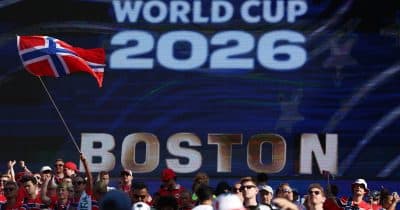
Crypto prediction markets tied to the 2026 World Cup have topped $2 billion in total trading volume, according to data compiled this week. The milestone comes as the tournament enters its knockout rounds, with users placing bets on everything from match winners to top scorers using stablecoins and other digital assets. The numbers signal that crypto-based betting is no longer a fringe experiment — it's a legitimate channel for fan engagement at the world's biggest sporting event.
Betting on the beautiful game
Prediction markets let users trade contracts based on the outcome of real-world events. In this case, the World Cup. Platforms like Polymarket and others have seen a flood of activity since the tournament kicked off on June 8. The $2 billion figure covers all trades placed across multiple platforms, not just the biggest ones. That's more than double the volume from the 2022 World Cup, which itself was a breakout moment for the sector.
Why the volume matters
Two billion dollars in trading volume for a single event is a big deal for a market that's still young. It shows that people are willing to put serious money into crypto-based predictions, not just dabbling with small amounts. The volume also creates liquidity — meaning traders can enter and exit positions without moving the price too much. That's something traditional sportsbooks can't always offer when it comes to niche props. And since the contracts are settled on-chain, payouts happen fast, often within minutes of a match ending.
Crypto's role in the tournament
The World Cup itself has embraced crypto. Several sponsors are blockchain-based companies, and some stadiums now accept Bitcoin and Ethereum for concessions and merchandise. But the prediction markets are where the action is. Fans in countries with restricted access to traditional betting can use crypto to participate, which adds to the volume. The trend isn't just about gambling — it's about using digital assets to interact with global events in real time.
The $2 billion mark is likely to climb as the tournament progresses. The semifinals and final typically draw the heaviest betting. Whether regulators will take a closer look is an open question — some jurisdictions have already flagged prediction markets as a gray area. For now, the platforms are operating without major friction. If the trend holds, we could see similar volumes for the next big events: the U.S. presidential election later this year, or the Olympics in 2028. The World Cup is just the warm-up.