The conversation around cryptocurrency is shifting. For years, the talk centered on buying, selling, and how to profit from digital assets. Now the focus is on what you can actually do with them — and luxury travel is emerging as one of the clearest cases for real-world use.
From speculation to spending
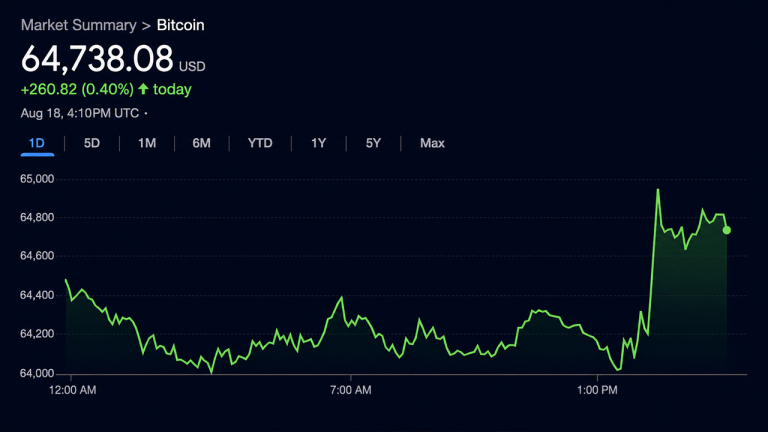
Historically, crypto discussions were dominated by charts, price targets, and the next big rally. Holding was the strategy; profit was the goal. That's changing. The industry is maturing beyond the trading floor, and the question is no longer just “how much is it worth?” but “where can I spend it?”
That's not to say speculation has vanished — it hasn't. But the narrative is broadening. A growing number of businesses are building actual utility around digital currencies, and travel is at the front of that push. It makes sense: travel is a high-ticket purchase, often international, and it's exactly the kind of transaction where traditional payment rails get clunky.
Why travel fits the bill
Luxury travel, in particular, has characteristics that align with crypto payments. High-end bookings are expensive, so transaction fees matter less relative to the total. Clients are often globally mobile, and they're used to dealing with multiple currencies. A private jet charter, a five-star resort stay, a once-in-a-lifetime expedition — these are the kinds of purchases where a digital wallet starts to feel practical rather than experimental.
Some providers have already started accepting crypto for bookings, and the trend is picking up. The appeal goes both ways: travelers get flexibility and privacy, while businesses tap into a customer base that's comfortable with digital assets. It's not about replacing credit cards overnight — it's about proving that crypto can function as a means of payment, not just a store of value.
What this means for the industry
The shift toward real-world use is a signal that crypto is growing up. The infrastructure that once felt like a niche hobby is now being tested in the mainstream economy. Travel is a bellwether because it's discretionary — people don't need to spend crypto on a vacation, they choose to. That choice is a vote of confidence.
It also puts pressure on the broader ecosystem. If luxury travel is going to accept digital assets, the payments need to be fast, reliable, and easy to understand. That's a different challenge from building a trading platform. It's about user experience, merchant adoption, and trust. Those aren't flashy, but they're the fundamentals that make a technology stick.
None of this means crypto is about to replace traditional finance. But the conversation has clearly moved on. The next chapter isn't about what you can buy with your gains — it's about what you can do with the asset itself. And luxury travel is showing that the answer might be a lot more than anyone expected.